Navigating government-funded home care (Australia) without losing your mind

Government-funded home care can be brilliant. It can also feel like an obstacle course designed by a committee that’s never tried to organise a shower visit around a GP appointment.

If you’re supporting an older person (or you are the older person), the trick is simple to say and harder to do: get assessed properly, pick the right funding stream, choose a provider who won’t nickel-and-dime you, and keep the paperwork tight so reviews don’t derail the plan.

One-line reality check: the system responds best to clear evidence, not vague stress.

in-home aged care assistance

 What’s actually on the menu? (Home care options, not just “a package”)

Australia’s government-funded supports for older people living at home sit under My Aged Care, but the services you end up with depend on assessment outcomes and local supply.

Most people bounce between three practical “buckets”:

Commonwealth Home Support Programme (CHSP): entry-level, “a bit of help” services (cleaning, transport, meals, basic personal care in some cases).

Home Care Packages (HCP): higher, ongoing needs with a budget you can spend on approved services.

Short-term or situational supports: respite, post-hospital help, assistive technology, home modifications, sometimes accessed via different pathways depending on circumstances.

And yes, you can have informal care (family/friends) alongside funded care. That’s normal. The system quietly relies on it. If you want to learn more about the types of government-funded home care services available, there are resources that explain your options and how to access them.


 Hot take: the assessment is the whole ball game

People obsess over providers. Fair. But the assessment outcome is what sets your ceiling.

If the needs aren’t recorded clearly at assessment, you can’t “provider-shop” your way into more funded hours later. I’ve seen families spend months arguing with a provider about service frequency when the actual issue was the original assessment underselling the person’s risks and functional limitations.


 My Aged Care vs ACAT: who does what?

This part confuses almost everyone at least once.


 My Aged Care (the front door)

Think of My Aged Care as:

– intake,

– triage,

– referrals,

– and the place where the system decides which assessment you need next.

You’ll provide basic info, current supports, health conditions, and what’s not working at home. Keep it concrete. “Struggling” is vague. “Can’t safely step into the shower and has fallen twice in three months” lands better (because it maps to risk).


 ACAT (the decision-maker for higher-level care)

ACAT (Aged Care Assessment Team) is typically where eligibility for Home Care Packages and residential care is determined.

The assessment isn’t just a chat. It’s a structured look at:

– activities of daily living (showering, dressing, toileting, meals),

– cognition and memory,

– mobility and falls risk,

– medical complexity,

– carer capacity (and carer burnout, more on that later),

– home environment (stairs, bathroom access, hazards).

Now, this won’t apply to everyone, but… the “home environment” bit is often underestimated. A person can be “fine” on paper and unsafe in a cramped bathroom with no rails.


 Basic help vs “full” funded care: stop using fuzzy labels

You’ll hear people say “basic daily living support” versus “fully funded care” like it’s a formal split. In practice, the real differences are:

Intensity and frequency (weekly clean vs daily personal care)

Complexity (cognition, continence, wound care, medication prompts/supervision)

Budget and flexibility (CHSP tends to be service-based; HCP is budget-based)

Care coordination (higher needs usually require tighter scheduling, contingency planning, and clinical oversight)

Here’s the thing: “basic” doesn’t mean trivial. A 30-minute shower support done reliably can be the difference between staying home and not.


 Picking a package level: be honest about the trajectory

Some people are stable for years. Some aren’t. Degenerative conditions, frailty, and cognitive decline change the picture fast.

If you’re choosing services under a package, I push for a plan that answers three questions:

  1. What keeps the person safe this month? (showers, meals, meds, mobility)
  2. What keeps them functioning in six months? (strength, routines, home safety)
  3. What prevents carer collapse? (respite, predictable breaks, backup options)

That third one is the sleeper issue. Carers often say they’re “fine” right up until they’re not.


 Provider comparisons: don’t be seduced by friendly brochures

Look, a warm phone manner is nice. It’s not the metric.

When comparing providers, I like a semi-boring checklist because it stops you being swayed by vibes:

Fees and charges: care management, package management, hourly rates, travel, cancellation rules

Workforce reliability: do they have enough staff to cover leave? what happens if a worker calls in sick?

Scheduling discipline: can they lock in consistent times or is it “sometime Tuesday”?

Cultural and language fit: not as a “nice-to-have” but as a safety and dignity issue

Responsiveness: who is your named contact and what’s the escalation pathway?

Ask for examples. “Tell me what you do when a client refuses a shower for three visits in a row.” The answer tells you how they think.

One-line emphasis: a cheap provider who can’t staff your roster is expensive in real life.


 A quick, practical application pathway (without pretending it’s always linear)

Most people move through this sequence:

1) Contact My Aged Care (phone or online)

2) Undergo initial screening

3) Get referred for assessment (often ACAT for packages)

4) Assessment meeting (home visit or similar)

5) Approval outcome (eligible/not eligible, level recommendations)

6) Waitlist / assignment (depending on program and demand)

7) Choose provider + negotiate care plan

8) Services commence

9) Review / reassessment when needs shift

Paperwork that tends to help: medication list, GP letter, recent discharge summary, falls history, and a short carer statement (two paragraphs, not a memoir).


 Reviews and reassessments: where people get blindsided

Reviews are not just administrative; they’re where services get reshaped. Sometimes improved, sometimes reduced, sometimes stalled because the evidence doesn’t match the request.

At review, expect scrutiny around:

– what services were delivered versus planned,

– whether goals were achieved (or why not),

– changes in health and function,

– risks (falls, wandering, malnutrition, medication errors),

– carer status.

If you want an increase, treat it like a mini-briefing: dates, incidents, clinician notes, and a clear ask.


 Money: subsidies, fees, and the “surprise costs” that annoy everyone

Government funding usually won’t cover everything. Your costs depend on the program, income/means testing, provider pricing, and how you use the budget.

Typical categories you’ll run into:

Basic daily fee (may apply depending on the program and circumstances)

Means-tested care fee (for some people, based on income assessment)

Provider fees (management, administration, hourly service rates)

Out-of-pocket extras (some equipment, private services, top-ups)

Opinionated but true: you don’t need to be a spreadsheet person, but you do need a budget view. If your provider can’t explain your monthly statement in plain English, that’s a warning sign.


 One specific data point (with source)

In 2023, 24, the Australian Government spent about $28.1 billion on aged care, reflecting how central (and scrutinised) these programs are. Source: Australian Government, Report on the Operation of the Aged Care Act 1997, 2023, 24.

That level of spend is why reporting, compliance, and reviews are baked into the system. It’s not personal. It’s the machine protecting the money.


 Advocating for what you want (without getting labelled “difficult”)

Good advocacy is calm, specific, and annoyingly well-documented.

Try this structure when speaking with providers or assessors:

Problem: “Mum is missing meals 3, 4 days/week and losing weight.”

Risk: “Falls risk increases when she’s dizzy; GP concerned about frailty.”

Request: “We’re asking for meal support plus a welfare check on non-visit days.”

Outcome: “Goal is stable nutrition and fewer falls; keep her safely at home.”

Look, you can be firm without being hostile. Written follow-up helps: “Thanks for the call, confirming we agreed to X by Friday.”


 If you’re unhappy: complaints and escalation (use the system properly)

Start with the provider, because many issues are fixable quickly if someone senior actually looks at the roster or care notes.

If that goes nowhere, you escalate, methodically:

– Keep a timeline (dates, missed visits, incidents, who you spoke to)

– Ask for the provider’s internal complaints process in writing

– Request written outcomes and timeframes

For regulated aged care service concerns, the Aged Care Quality and Safety Commission is a key external pathway. Don’t embellish. Don’t rant. Present facts and impacts.

In my experience, complaints that include “what good looks like” resolve faster than complaints that only list failures.


 After intake: the part where life is supposed to get easier (sometimes it does)

Once services start, the real work is coordination: aligning visit times with routines, confirming who does what, and adjusting quickly when something changes.

A decent care plan has:

– clear goals (not fluffy ones),

– a schedule that matches the person’s day,

– contingencies for cancellations,

– and review triggers (“If falls increase, request reassessment”).

And yes, reassessment is normal. Health changes. Carers burn out. Homes become unsafe. Plans should move with reality, not fight it.

One last thought: the best home care setups feel boring. That’s the point. Reliable support is quiet support.
Functional and Minimal Bed Frames for Modern Homes

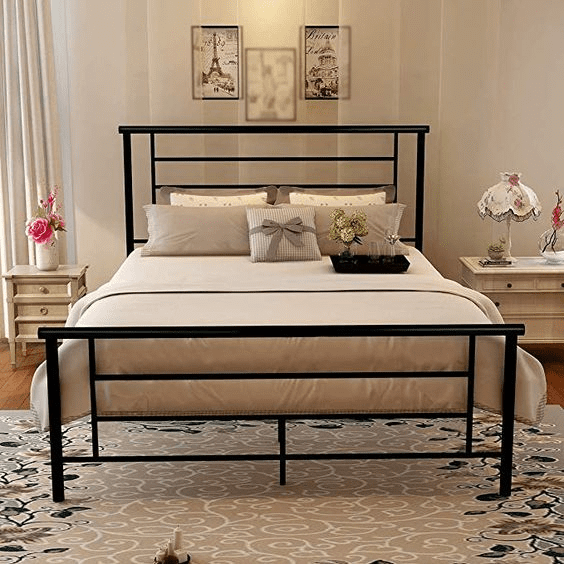
In today’s evolving interior design landscape, homeowners increasingly prefer clean, clutter-free, and highly practical bedroom setups. A well-designed bed frame is no longer just a support structure it has become a central element of comfort, aesthetics, and smart space utilization. Among modern choices, functional and minimal bed frames for modern homes are gaining strong attention for their simplicity, durability, and timeless appeal.

The Rise of Minimal Bedroom Living

Modern homes are designed with efficiency and calmness in mind. This has led to a growing preference for furniture that blends practicality with visual lightness. Minimal bed frames help create open spaces, reduce visual clutter, and enhance relaxation in the bedroom. Each bedframe featured on https://www.robuust.com/pages/stalen-bedframes is crafted with attention to detail, ensuring both aesthetic appeal and reliable support.

These designs often feature:

  • Slim steel or metal structures
  • Clean lines with no excessive detailing
  • Elevated frames for better airflow and storage
  • Neutral finishes that match any décor style

Research shows that minimalist bed structures can make rooms feel more spacious and organized while improving overall sleep environments .

Why Functional Design Matters

Steel Bed Frames

A bed frame is not just about appearance it directly impacts comfort and usability. Functional designs focus on long-term value, ease of maintenance, and smart space usage.

Key benefits include:

  • Space optimization: Many minimal frames allow under-bed storage, ideal for compact homes
  • Durability: Steel and iron frames provide strong support and long-lasting performance
  • Easy maintenance: Simple structures are easier to clean and maintain
  • Better mattress support: Stable foundations help extend mattress life

These advantages make minimal bed frames a practical investment for modern lifestyles.

A Perfect Blend of Style and Strength

One of the most appealing aspects of minimal bed designs is their ability to balance strength with elegance. Steel bed frames, for example, offer a sleek appearance while maintaining excellent load-bearing capacity. Their open structure gives a lighter visual feel, making bedrooms appear larger and more inviting.

In addition, these frames adapt easily to different interior styles such as:

  • Scandinavian-inspired bedrooms
  • Industrial modern interiors
  • Contemporary urban apartments
  • Japandi-style calm spaces

This versatility ensures they remain relevant across design trends.

Comfort Meets Practical Living

Modern homeowners want furniture that supports both lifestyle and comfort. Minimal bed frames align perfectly with this expectation by offering:

  • Noise-free sleeping experience
  • Strong mattress support without bulky structures
  • Compatibility with various mattress types
  • A clutter-free visual environment that supports relaxation

A well-structured bed frame can even improve airflow beneath the mattress, contributing to better hygiene and comfort.

Conclusion

The growing popularity of minimal furniture reflects a shift toward thoughtful and intentional living. functional and minimal bed frames for modern homes represent more than just a design choice they symbolize smart living, long-term durability, and aesthetic simplicity. For anyone looking to upgrade their bedroom, these bed frames offer the perfect balance of practicality, comfort, and modern elegance.

Bright Condominium Spaces Boost Mood and Energy

A well-lit home does more than just illuminate a room it has a direct impact on our mood and energy levels. Bright condominium spaces create an uplifting atmosphere that encourages positivity and focus throughout the day. Natural light enhances mental clarity, while carefully chosen interior lighting can invigorate the mind and refresh the spirit. Living in a bright environment also supports healthy routines, helping residents feel more active and motivated. Open layouts, large windows, and reflective surfaces work together to make spaces feel spacious, airy, and welcoming.

Enhancing Mood Through Light
Exposure to natural light is one of the most effective ways to improve mood. Sunlight stimulates the production of serotonin, a chemical that promotes happiness and reduces stress. Condominiums designed with ample windows, glass doors, and open balconies allow light to flow freely into living areas. Bright interiors can:

  • Reduce feelings of fatigue and lethargy
  • Encourage a sense of calm and well-being
  • Create a visually uplifting environment

Energy Boost Through Design
A bright home can also enhance energy levels. Light-coloured walls, reflective surfaces, and minimal obstructions allow natural and artificial light to penetrate deeper into the space. Proper lighting placement ensures functional areas like kitchens, workspaces, and gyms remain energized throughout the day in Narra Residences. Key points include:

  • Utilizing daylight to regulate circadian rhythms and improve sleep patterns
  • Placing mirrors or glass partitions to distribute light evenly
  • Using LED or warm-white bulbs to supplement natural light when needed

Creating Functional Bright Spaces
Beyond mood and energy, bright spaces are practical and versatile. Well-lit areas support daily activities such as cooking, reading, exercising, or working from home. Thoughtful lighting solutions reduce eye strain, improve concentration, and create a safe environment. Simple strategies include:

  • Positioning furniture to maximize exposure to windows
  • Choosing light-coloured flooring and furnishings to reflect light
  • Incorporating skylights or glass panels for additional daylight

Aesthetics That Inspire
Bright spaces are not only functional but also visually appealing. Open layouts combined with sunlight create a sense of freedom and spaciousness. Greenery placed near windows benefits from sunlight while adding a natural touch that improves air quality and mood. Other design tips include:

  • Using sheer curtains to maintain privacy without blocking light
  • Highlighting artwork or decorative elements with accent lighting
  • Keeping spaces uncluttered to allow light to flow unobstructed

Conclusion
Living in a bright condominium space positively affects both mental and physical well-being. Thoughtful use of natural and artificial lighting enhances mood, boosts energy, and supports healthy routines. From open layouts to reflective surfaces, every design element plays a role in creating spaces that feel alive, welcoming, and vibrant. Bright environments do more than illuminate rooms they transform daily life, making each moment more enjoyable and productive.

How to Find Wardrobe Sliding Doors That Are Just Right For You

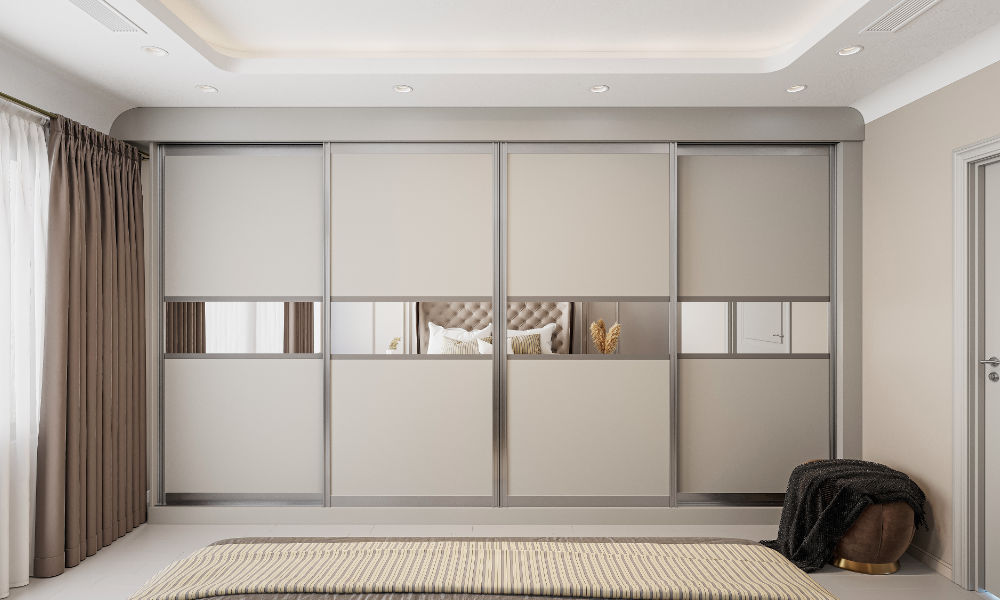
Picking the perfect sliding wardrobe doors isn’t just about grabbing the first style you see. There’s a bit of planning involved—but don’t worry, it doesn’t have to be stressful! From measuring your space to choosing materials and working within your budget, every step helps you end up with something that looks great and works perfectly for your life.

Let’s break it down into easy steps:

  1. Start With Measuring Your Space

Before you fall in love with a style or color, grab your tape measure and check out your space. Trust us, you’ll thank yourself later.

Here’s what you need to do:

– Measure width, height, and depth of the wardrobe opening.

– Double-check everything. A small mistake can turn into a big headache!

– Watch for obstacles like light switches, moldings, or nearby furniture.

– Think about clearance. Some doors need extra space to slide easily.

Pro Tip: Snap a quick pic of your space and jot down your measurements in your phone. That way, you have them handy when shopping. When you’re ready, explore a range of sliding wardrobe doors to find the perfect fit for your room.

  1. Explore Styles & Materials

Now for the fun part—choosing how your doors will look! Sliding wardrobe doors come in all sorts of styles, from ultra-modern to cozy vintage.

Wardrobe Sliding Doors

Some popular options:

Modern: Clean lines, high-gloss finishes, frosted or mirrored glass.

Vintage: Wood with distressed finishes, panel designs, or fun, quirky hardware.

Mix it up: Combine glass and wood for a unique look.

Think about:

– How will the doors fit with your current decor?

– Do you want them to stand out or blend in?

– Are you looking for something low-maintenance or are you okay polishing glass now and then?

  1. Match Your Personal Style & Decor

Your wardrobe doors should feel like you—they’re a big part of your room!

How to get the look just right:

Match the Vibe

– If your room is modern, go for minimal frames or mirrors.

– If you love cozy or classic spaces, wood finishes or decorative panels are your best friend.

Color Coordination

Play with color psychology: Blues = calm, terracotta = cozy, green = fresh.

Coordinate with your room: Match your main color scheme or pick a bold shade for a statement.

Complementary colors: Blues with whites, greens with pinks—think about what makes you happy when you walk in.

  1. Don’t Forget About Function!

Looks are important, but your wardrobe doors should make life easier, too.

Stuff to consider:

Smooth sliding mechanisms: No one wants a door that gets stuck.

Soft-close features: Prevents noisy slamming (and pinched fingers!).

Mirrored doors: Make your room look bigger and save you from needing an extra mirror.

Track types: Top-hung = sleek, bottom-guided = stable.

Accessories: Think anti-jump features (so doors don’t come off the track), and adjustable rollers for easy movement.

  1. Budget Smart—Quality Matters

You don’t need to spend a fortune to get great wardrobe doors, but it’s worth it to invest in decent quality.

How to shop smart:

– Set your budget before you shop.

– Compare brands: Look for good reviews, durable tracks, and nice finishes.

– Watch for sales: Off-season or holiday discounts can help you snag a deal.

– Mid-range brands often hit the sweet spot between price and quality.

Remember: Cheap doors may save you money upfront but can cost more in repairs or replacements down the line.

  1. Choose the Right Track & Opening Mechanism

There’s more to sliding doors than just the panel—how they move matters!

Track Materials

Aluminum: Sleek, durable, and low-maintenance.

Vinyl: Quieter, budget-friendly, but may wear out sooner.

Opening Styles

Pocket doors: Slide into the wall—super space-saving!

Bypass doors: Slide past each other—great for most closets.

Top-hung vs. floor tracks: Top-hung looks sleeker; floor tracks are more stable.

Sliding Mechanisms

Rollers: Ball-bearing = smoother and quieter.

Soft-close: For that gentle, silent finish.

Noise-reduction features: Especially handy in bedrooms!

  1. Plan for Installation & Maintenance

Don’t let your new doors become a headache down the line!

Before you start:

– Check the instructions—make sure you have all the tools.

– Measure twice, install once.

Once they’re up:

– Keep tracks clean—a quick vacuum or wipe-down does wonders.

– Lubricate moving parts to keep things gliding effortlessly.

– Check for loose parts every few months and tighten as needed.

– Avoid moisture to prevent damage, especially with wood or metal tracks.

Set a reminder to check everything a couple of times a year—future you will appreciate it!

Final Tips

– Snap photos of styles you like—show them to the salesperson.

– Ask for samples! Sometimes, you can take home a swatch or finish sample to see how it looks in your room.

– Don’t rush the process. The right doors will be worth a little extra time and effort.

Bottom line:

With a little planning, some smart shopping, and attention to detail, you’ll find sliding wardrobe doors that look amazing, work perfectly, and make your space feel uniquely yours!

How Kitchen Cabinet Refacing Boosts Your Home’s Value

Kitchen cabinet refacing is a smart and cost-effective way to boost your home’s value while transforming one of the most important spaces in your house the kitchen. Unlike a full kitchen remodel, which can be time-consuming, expensive, and disruptive, cabinet refacing offers a quicker and more affordable alternative that can deliver impressive results. By updating the appearance of your existing cabinets rather than replacing them entirely, you can refresh the entire kitchen aesthetic, making it more modern, appealing, and functional. This improvement not only enhances your everyday living experience but also increases the resale value of your home, making it a worthwhile investment. One of the primary ways kitchen cabinet refacing boosts home value is through its ability to dramatically improve the kitchen’s visual appeal. The kitchen is often considered the heart of the home, and potential buyers frequently focus on this area when evaluating a property. Cabinets that are outdated, worn, or damaged can make the entire kitchen look tired and neglected, potentially lowering the perceived value of your home.

Kitchen Cabinet

Refacing your cabinets by replacing doors, drawer fronts, and hardware, and applying new veneers or laminates, can create a fresh, contemporary look that instantly elevates the space. This update can range from classic wood finishes to sleek, modern designs, depending on your style preferences, ensuring that the kitchen feels up-to-date and inviting. Beyond aesthetics, cabinet refacing also enhances the functionality of your kitchen, which is another key factor in increasing home value. Many refacing projects include upgrading hardware to soft-close hinges and modern handles, making cabinets easier and quieter to use and find here homeworlddesign.com. Additionally, you might take the opportunity to add organizational features inside the cabinets, such as pull-out shelves or dividers, which improve storage efficiency and convenience. A well-organized kitchen appeals to buyers who envision themselves cooking, entertaining, and spending time in the space. The improved usability of the cabinets makes the kitchen more attractive and practical, boosting the home’s marketability. Another significant advantage of kitchen cabinet refacing is its cost-effectiveness, which indirectly contributes to home value by offering a strong return on investment.

Moreover, because the existing cabinet boxes remain intact, the project can be completed much faster, sometimes in just a few days, minimizing disruption to your daily routine. Buyers appreciate homes that have been well maintained and updated without unnecessary complications, and a newly refaced kitchen sends a positive signal about the overall condition of the property. By reusing the existing cabinet framework and only updating the visible surfaces, you reduce the waste and materials typically associated with full cabinet replacements. This approach aligns with growing trends toward green living and sustainability in home improvements, potentially making your property more attractive in a market that increasingly values environmental responsibility. Kitchen cabinet refacing boosts your home’s value by enhancing the kitchen’s aesthetic appeal, improving functionality, and offering a cost-effective, eco-friendly upgrade. This transformation helps create a modern, inviting kitchen space that appeals to buyers and increases marketability, all while avoiding the high costs and long timelines of a full remodel. Whether you plan to sell your home soon or simply want to enjoy a fresh kitchen environment, cabinet refacing is a smart investment that delivers both beauty and value.

Everything Your Home Needs—Expert Repairs And Quality Service That Lasts

When it comes to maintaining a home, ensuring that every aspect is functioning properly is essential for comfort, safety, and long-term investment. Whether it is a minor issue or a major repair, expert services are crucial to handle the problems that can arise over time. From fixing a leaky faucet to remodeling an entire room, professional repair and service providers offer the expertise, experience, and resources necessary to ensure that the job is done right the first time. Quality service not only addresses the immediate problem but also prevents future issues, making it a wise choice for homeowners who want to avoid recurring expenses and frustrations. A skilled repair expert is equipped to handle a wide range of home-related issues, providing comprehensive solutions for plumbing, electrical, HVAC systems, and general maintenance. For instance, plumbing issues like clogged drains or leaking pipes can cause water damage if not promptly addressed. Electrical problems such as faulty wiring or malfunctioning outlets can be hazardous, posing serious risks to both the home and its occupants.

The importance of expert repairs goes beyond simply fixing the problem at hand. Professional service providers bring a wealth of knowledge that helps identify underlying causes of issues, ensuring that repairs are both effective and long-lasting. For example, if a particular part of the home is repeatedly experiencing issues, an expert can often pinpoint why that is happening and recommend a comprehensive solution rather than just addressing the symptom. This approach not only saves money in the long run but also helps to preserve the integrity of the home. Moreover, the quality of service provided is directly tied to the skill of the technician and the materials used visit the website. Professionals often use high-quality parts that are more durable and reliable than cheaper alternatives. They also adhere to industry standards and follow best practices, which ensures that repairs are done to the highest possible standard. This can increase the lifespan of appliances and systems within the home, ultimately reducing the need for frequent replacements.

Another key benefit of hiring experts for home repairs is the peace of mind that comes with knowing the job will be done correctly. Many homeowners may feel overwhelmed by the complexity of certain repairs or unsure of how to proceed with fixing a particular issue. In these cases, professional service providers take the stress out of the equation by handling the work efficiently and effectively. This allows homeowners to focus on other aspects of their daily lives without worrying about whether their home’s systems are operating properly. In conclusion, expert repairs and quality service are vital for maintaining a home that is safe, comfortable, and functional. The value of professional expertise extends far beyond the immediate repair, as it ensures that the home remains in excellent condition for years to come. Whether it is addressing simple fix or handling more complex maintenance needs, trusting professionals with home repairs offers long-term benefits that can save time, money, and stress.

Expert Home Interiors Tailored For Comfort And Elegance

The right interior space can significantly impact how we feel in our daily lives, offering a sanctuary of comfort while also reflecting our personal taste and style. A well-curated home is an expression of sophistication and warmth, where every element works in harmony. To achieve a space that exudes both comfort and elegance, it is essential to start with the basics understanding the size, layout, and natural light of each room. Lighting plays a pivotal role in creating ambiance. A combination of natural light and thoughtfully placed artificial lighting sources, such as ambient, task, and accent lighting, can set the tone of a space, whether cozy or open. Larger windows or glass doors can also enhance the flow of light, bringing a fresh, airy feel to the room. Furniture selection is critical in creating a space that is both inviting and refined. Choosing pieces that are both functional and stylish is key. Upholstered furniture with soft, inviting fabrics such as velvet or linen not only offers comfort but also adds a touch of luxury.

Architect Engineer" Images – Browse 856 Stock Photos, Vectors, and Video |  Adobe Stock

Elegant lines and minimalistic designs can contribute to a sense of space, while larger, plush furniture pieces like a comfortable sofa or armchairs allow for relaxation and leisure. Accessories such as throw pillows, rugs, and art pieces add personality to the room, infusing it with warmth and interest without overwhelming the space. Color schemes are another essential element in interior design. Neutral tones creams, grays, whites, and soft earth hues are timeless and sophisticated, offering a backdrop that enhances both furniture and décor. These shades provide a sense of calm and tranquility, contributing to an overall atmosphere of comfort. To introduce depth and richness, accent colors like navy blue, emerald green, or deep burgundy can be incorporated through accent walls, textiles, or décor items.  This attention to organization can drastically improve both the visual and functional qualities of a space, allowing it to maintain a serene and elegant ambiance.

Materials and textures are key to achieving a refined and luxurious look. Natural elements such as wood, marble, and stone bring a sense of timeless elegance to the space. A sleek marble countertop or a beautifully polished wood floor can serve as a focal point in a kitchen or living area, while subtle textures like silk curtains or a wool throw can add tactile interest and warmth. These materials often age well, providing long-term beauty and durability to the space. In conclusion, creating a home that balances comfort and elegance is an art that requires careful consideration of color, furniture, lighting, materials, and layout. The goal is to design a space that feels welcoming and provides a sense of relaxation, while also showcasing a refined aesthetic visit this useful site in homeia.com. By incorporating these principles thoughtfully, every room can become a perfect blend of style and serenity, where beauty and function coexist in perfect harmony.

A Comprehensive Guide to Selecting the Right Commercial Roof Coating

Selecting the right commercial roof coating is a critical decision for property owners and facility managers aiming to protect their investments, enhance energy efficiency, and extend the lifespan of their roofs. With the variety of products available on the market, it is essential to understand the specific needs of your roof and the advantages of different coating types to make an informed choice. Conducting a thorough inspection can help identify issues such as leaks, cracks, or ponding water that need to be addressed before applying any coating. Additionally, consider the climate of your location. Roof coatings can significantly affect the thermal performance of a building. For instance, reflective coatings are ideal for warmer climates, as they can reduce heat absorption, leading to lower energy costs for cooling. In contrast, elastomeric coatings provide excellent waterproofing and flexibility, making them suitable for regions with significant temperature fluctuations. Once you have assessed the condition of your roof and considered the environmental factors, it is essential to explore the types of coatings available.

Silicone roof coatings are known for their exceptional durability and water resistance, making them a popular choice for flat roofs. They create a seamless membrane that prevents water penetration and can withstand ponding water, which is a common issue for flat roofs. On the other hand, acrylic coatings are versatile and can be applied to various roofing materials. Acrylic coatings offer good UV protection and are often chosen for their reflective properties, which can help lower energy costs. Polyurethane coatings are another option, particularly effective for roofs that experience heavy foot traffic or mechanical wear. They provide a tough, durable surface that can withstand impact and abrasion while offering excellent adhesion and waterproofing capabilities. However, they are more sensitive to moisture during application, requiring careful timing and conditions to ensure proper curing. Cost is also a significant factor when selecting a roof coating. While it may be tempting to opt for the cheapest option, consider the long-term savings that a higher-quality coating can provide.

They are water-based, making them easy to clean up and environmentally friendly. Investing in a durable, high-performance coating can lead to reduced maintenance costs and an extended roof lifespan, ultimately resulting in cost savings over time. Furthermore, it is crucial to work with a reputable contractor who specializes in Commercial roof coatings NJ. They can offer insights based on their experience and expertise, guiding you toward the most suitable coating for your specific needs. Ensure that the contractor is familiar with local building codes and regulations, as these can affect the type of coating you can use. In conclusion, selecting the right commercial roof coating involves careful consideration of your roof’s condition, environmental factors, coating types, cost, and the expertise of your contractor. A well-chosen roof coating not only protects your building but also enhances its energy efficiency and longevity. By taking the time to make an informed decision, you can safeguard your investment and enjoy peace of mind for years to come.

Breathe New Life into Your Home – Enlist Kitchen Remodeling Services To Your Need

Your kitchen is more than just a place to prepare meals it is the heart of your home, the epicenter of family gatherings, and a space where memories are made. However, over time, kitchens can become outdated, dysfunctional, or simply no longer suit your lifestyle and needs. If you find yourself dreaming of a kitchen that better reflects your taste and enhances your home’s functionality, it may be time to consider enlisting the services of a professional kitchen remodeling team. Kitchen remodeling is a transformative process that can breathe new life into your home and elevate its overall appeal and value. Whether you envision a sleek, modern kitchen with state-of-the-art appliances or a cozy, rustic space perfect for intimate family dinners, skilled remodeling professionals can turn your vision into reality. One of the primary benefits of hiring a professional kitchen remodeling service is access to expertise and experience. Professional remodelers bring a wealth of knowledge and skills to the table, allowing them to navigate the complexities of kitchen design and construction with ease.

Kitchen Remodeling

From conceptualizing the layout to selecting materials and managing the construction process, experienced professionals can guide you through every step of the remodeling journey, ensuring a smooth and successful outcome. Moreover, kitchen remodeling services can help you make the most of your space by optimizing layout and functionality. Whether you are working with a compact galley kitchen or a sprawling open-concept layout, skilled designers can devise creative solutions to maximize storage, improve workflow, and enhance usability. From custom cabinetry and clever storage solutions to ergonomic workspace design, professional remodelers can help you achieve a kitchen that not only looks stunning but also works seamlessly for your lifestyle. Whether you prefer a classic, timeless aesthetic or a bold, contemporary look, professional remodelers can help you select materials, finishes, and fixtures that reflect your taste and complement your home’s overall design scheme and check here now https://wilsonconstructionservices.com/kitchen-remodeling/. From luxurious granite countertops and elegant hardwood flooring to sleek stainless steel appliances and stylish lighting fixtures, the possibilities for customization are virtually endless.

In addition to improving functionality, kitchen remodeling allows you to express your personal style and design preferences. Furthermore, investing in kitchen remodeling can significantly enhance the value of your home. The kitchen is widely regarded as one of the most important rooms in a home, and a well-designed, updated kitchen can greatly increase its market appeal and resale value. By modernizing your kitchen and incorporating high-quality materials and finishes, you can attract potential buyers and command a higher price when it comes time to sell your home. When selecting a kitchen remodeling service, it is essential to choose a reputable, reliable team with a proven track record of success. Look for remodeling companies with extensive experience, positive customer reviews, and a portfolio of completed projects that align with your vision and aesthetic preferences. Additionally, be sure to communicate openly and clearly with your chosen remodelers, discussing your goals, budget, and timeline to ensure a seamless and satisfying remodeling experience. Enlisting the services of a professional kitchen remodeling team can breathe new life into your home and create a space that reflects your style, enhances functionality, and adds value to your property.

Unrivaled Durability, Unmatched Beauty – Granite Kitchen Countertops

Granite kitchen countertops stand as a testament to unrivaled durability and unmatched beauty in the realm of kitchen design. Renowned for their strength and resilience, granite countertops have become a symbol of longevity and timeless elegance. The natural origins of granite, formed deep within the Earth’s crust over millions of years, contribute to its exceptional durability. This igneous rock primarily composed of quartz, feldspar, and mica, undergoes an intricate geological process that results in a dense, hard surface capable of withstanding the demands of a bustling kitchen. The durability of granite makes it resistant to scratches, heat, and stains, providing homeowners with a surface that not only endures daily wear and tear but also maintains its pristine appearance over the years. Beyond its impressive durability, granite’s aesthetic allure is truly unparalleled. The range of colors, patterns, and textures found in granite slabs is vast, offering homeowners the opportunity to select a countertop that harmonizes seamlessly with their kitchen’s design scheme.

From the dramatic swirls of cosmic black granite to the subtle elegance of Alaska White, each slab is a unique work of art, courtesy of nature’s craftsmanship. The reflective surface of polished granite enhances its inherent beauty, creating a luxurious and sophisticated ambiance in the kitchen. Granite countertops not only serve as functional work surfaces but also elevate the overall aesthetic of the space, transforming it into a culinary haven where style meets functionality. The installation of granite countertops is a meticulous process that involves careful measurement, cutting, and polishing to ensure a perfect fit and finish. Skilled artisans craft each countertop, taking into consideration the unique features of the chosen granite slab. The installation not only requires precision but also an eye for design, as the positioning of the granite kitchen countertops in romeoville with natural patterns can greatly impact the overall visual appeal. Once installed, the granite countertop becomes a focal point in the kitchen, commanding attention with its breathtaking beauty and contributing to the overall value of the home.

Granite

Maintenance of granite countertops is relatively straightforward, adding to their allure for busy homeowners. Regular cleaning with a mild detergent and warm water helps preserve the granite’s luster, while the application of a sealant provides an additional layer of protection against stains and moisture. This low-maintenance quality ensures that the granite countertop remains a resilient and attractive feature in the kitchen, requiring minimal effort to retain its original splendor. In conclusion, granite kitchen countertops embody the perfect marriage of unrivaled durability and unmatched beauty. Their natural strength, derived from the geological forces that shaped them, ensures a countertop that withstands the rigors of daily use with grace. Simultaneously, the diverse array of colors and patterns found in granite slabs elevates the kitchen’s aesthetic, transforming it into a space where functionality meets luxury. As a timeless investment, granite countertops not only enhance the value of the home but also provide a daily source of joy for homeowners who appreciate the enduring beauty of nature’s masterpiece in their kitchens.