In modern industrial environments, precision and reliability are critical. A strong understanding of proximity sensor testing plays a pivotal role in enhancing the effectiveness of industrial control system design. By integrating accurate sensor insights, engineers can optimize performance, reduce downtime, and achieve superior operational outcomes.
Enhancing Design Accuracy Through Sensor Insights
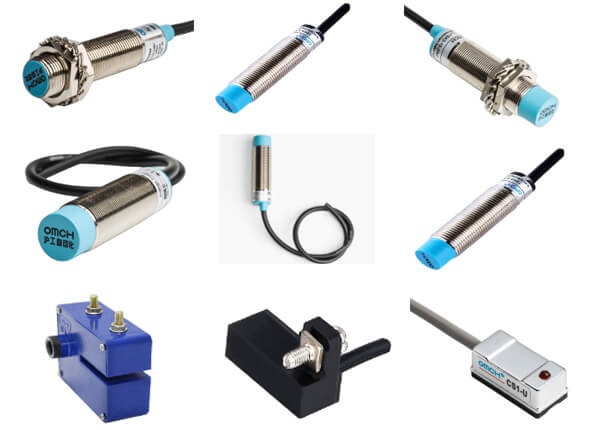
Proximity sensors are vital components that detect the presence or absence of objects without physical contact. When engineers possess deep knowledge of proximity sensor testing, they can:
- Ensure sensor placement aligns with system requirements.
- Identify potential sources of interference or misalignment.
- Adjust sensitivity and response times for precise operations.
- Integrate sensor data seamlessly into control algorithms.
This expertise ensures that industrial control systems operate with higher accuracy and responsiveness, creating a foundation for more robust and reliable operations. Engineers apply how to check proximity sensor for system checks.
Streamlining System Development and Implementation
Knowledge of proximity sensor testing accelerates the development cycle by:
- Reducing trial-and-error during design validation.
- Minimizing installation errors and misconfigurations.
- Supporting rapid prototyping with confidence in sensor performance.
- Facilitating efficient calibration of machinery and equipment.
By reducing uncertainty in sensor behavior, engineers can streamline the implementation process, ultimately saving time and resources while improving overall system quality.
Supporting Predictive and Preventive Strategies
A thorough understanding of sensor testing allows designers to anticipate and mitigate potential challenges before they impact operations. Benefits include:
- Enhanced predictive maintenance through early detection of sensor drift or degradation.
- Reduced unplanned downtime by identifying potential failure points.
- Improved system diagnostics that simplify troubleshooting.
- Optimized operational workflows based on reliable sensor data.
Integrating these strategies into system design improves resilience and ensures long-term performance consistency.
Boosting Operational Safety and Efficiency
Proper sensor testing knowledge contributes to safer and more efficient industrial environments. Key advantages include:
- Preventing collisions and operational hazards by ensuring accurate object detection.
- Enabling smoother automation processes with consistent sensor feedback.
- Supporting energy-efficient operations by eliminating unnecessary machine cycles.
- Enhancing overall reliability, which increases stakeholder confidence in system performance.
These outcomes reinforce the importance of sensor testing expertise in shaping systems that are both safe and highly efficient.
Driving Innovation in Industrial Control Design
Engineers who master proximity sensor testing are better equipped to innovate and refine control system design. By leveraging precise sensor data, they can:
- Introduce smarter automation features that adapt to dynamic conditions.
- Improve process optimization through real-time feedback.
- Design scalable systems capable of meeting evolving industrial demands.
- Achieve measurable improvements in productivity and output quality.
This proactive approach encourages continuous improvement, positioning organizations at the forefront of operational excellence.
Conclusion
Proximity sensor test knowledge is more than a technical skill it is a strategic advantage for industrial control system design. By ensuring accurate detection, seamless integration, and reliable performance, engineers can enhance system efficiency, safety, and innovation. Investing in sensor expertise ultimately leads to superior design outcomes, sustainable operations, and lasting industrial success.