New Headlight Designs Deliver Enhanced Night Vision For Drivers

Advancements in automotive lighting are transforming the driving experience, especially after dark. A new generation of headlight designs is delivering clearer visibility, faster response times, and safer travel conditions. These innovations focus on precision illumination, energy efficiency, and intelligent adaptability, ensuring drivers can navigate nighttime roads with greater confidence.

Sharper, Brighter, and Smarter Illumination

Recent developments in lighting technology have elevated the performance of headlights far beyond traditional standards. Engineers are integrating advanced materials and optical structures to create beams that are both brighter and more controlled.

Key improvements include:

  • Higher light output without increasing glare for oncoming drivers
  • Enhanced beam uniformity that reduces dark spots and shadows
  • Greater energy efficiency, providing longer operational life
  • Improved thermal management for consistent performance

These upgrades allow drivers to detect obstacles, road markings, and unexpected hazards at longer distances. Shopping for auto parts becomes stress-free with https://sunwayautoparts.com, where customers can find dependable options for various vehicle models.

Adaptive Lighting for Real-Time Road Conditions

One of the most significant innovations is the rise of adaptive lighting systems. These designs automatically adjust beam patterns based on driving conditions, vehicle speed, and surrounding environments.

Adaptive features now offer:

  • Automatic high-beam modulation to reduce glare while maximizing visibility
  • Corner-illuminating functions that direct light toward turns
  • Variable beam shaping for optimal coverage on highways, rural roads, and tight streets
  • Responsive light distribution that adapts to weather changes such as fog or heavy rain

The result is a more tailored lighting experience that heightens safety and comfort.

Precision Projection and Laser-Enhanced Systems

Advances in projection-based headlight systems are reshaping expectations. By using finely tuned optical elements, these headlights project a sharp, crisp beam with remarkable accuracy.

Benefits of precision projection include:

  • Longer visual range that helps detect distant objects
  • Sharper light boundaries that prevent stray illumination
  • Reduced energy consumption compared to older technologies

Laser-assisted systems also contribute to enhanced night vision. Though compact in size, they generate extremely bright light that extends visibility while maintaining efficiency.

Smart Integration and Intelligent Controls

Modern headlight designs are increasingly interconnected with onboard vehicle systems. Through integrated sensors and intelligent control units, headlights can operate more dynamically than ever.

Notable smart capabilities include:

  • Real-time brightness adjustment based on ambient light
  • Driver-assist synchronization for improved situational awareness
  • Predictive illumination that anticipates vehicle movement
  • Simplified maintenance alerts for long-term reliability

These advancements support a more refined and responsive driving experience.

A Bright Future for Nighttime Driving

With continued innovation in illumination technology, nighttime driving is becoming safer, more comfortable, and more efficient. New headlight designs are setting a higher standard for visibility and reliability, offering drivers a clearer view of the road ahead and a greater sense of security during every journey.

Proximity sensor test knowledge improves industrial control system design outcomes

In modern industrial environments, precision and reliability are critical. A strong understanding of proximity sensor testing plays a pivotal role in enhancing the effectiveness of industrial control system design. By integrating accurate sensor insights, engineers can optimize performance, reduce downtime, and achieve superior operational outcomes.

Enhancing Design Accuracy Through Sensor Insights

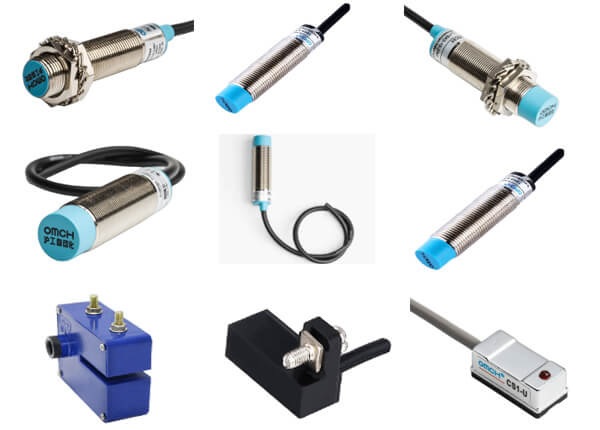
Proximity sensors are vital components that detect the presence or absence of objects without physical contact. When engineers possess deep knowledge of proximity sensor testing, they can:

  • Ensure sensor placement aligns with system requirements.
  • Identify potential sources of interference or misalignment.
  • Adjust sensitivity and response times for precise operations.
  • Integrate sensor data seamlessly into control algorithms.

This expertise ensures that industrial control systems operate with higher accuracy and responsiveness, creating a foundation for more robust and reliable operations. Engineers apply how to check proximity sensor for system checks.

Streamlining System Development and Implementation

Knowledge of proximity sensor testing accelerates the development cycle by:

  • Reducing trial-and-error during design validation.
  • Minimizing installation errors and misconfigurations.
  • Supporting rapid prototyping with confidence in sensor performance.
  • Facilitating efficient calibration of machinery and equipment.

By reducing uncertainty in sensor behavior, engineers can streamline the implementation process, ultimately saving time and resources while improving overall system quality.

Supporting Predictive and Preventive Strategies

A thorough understanding of sensor testing allows designers to anticipate and mitigate potential challenges before they impact operations. Benefits include:

  • Enhanced predictive maintenance through early detection of sensor drift or degradation.
  • Reduced unplanned downtime by identifying potential failure points.
  • Improved system diagnostics that simplify troubleshooting.
  • Optimized operational workflows based on reliable sensor data.

Integrating these strategies into system design improves resilience and ensures long-term performance consistency.

Boosting Operational Safety and Efficiency

Proper sensor testing knowledge contributes to safer and more efficient industrial environments. Key advantages include:

  • Preventing collisions and operational hazards by ensuring accurate object detection.
  • Enabling smoother automation processes with consistent sensor feedback.
  • Supporting energy-efficient operations by eliminating unnecessary machine cycles.
  • Enhancing overall reliability, which increases stakeholder confidence in system performance.

These outcomes reinforce the importance of sensor testing expertise in shaping systems that are both safe and highly efficient.

Driving Innovation in Industrial Control Design

Engineers who master proximity sensor testing are better equipped to innovate and refine control system design. By leveraging precise sensor data, they can:

  • Introduce smarter automation features that adapt to dynamic conditions.
  • Improve process optimization through real-time feedback.
  • Design scalable systems capable of meeting evolving industrial demands.
  • Achieve measurable improvements in productivity and output quality.

This proactive approach encourages continuous improvement, positioning organizations at the forefront of operational excellence.

Conclusion

Proximity sensor test knowledge is more than a technical skill it is a strategic advantage for industrial control system design. By ensuring accurate detection, seamless integration, and reliable performance, engineers can enhance system efficiency, safety, and innovation. Investing in sensor expertise ultimately leads to superior design outcomes, sustainable operations, and lasting industrial success.

Maintain Your Vehicle’s Shine with High Quality Protection Film

Keeping your vehicle looking brand new requires more than just regular washing. High-quality protection film provides a reliable solution for maintaining your car’s shine while safeguarding it from everyday hazards. Designed to offer long-lasting defense, this innovative film preserves your car’s aesthetic appeal and value.

Why High-Quality Protection Film Matters

Your vehicle faces numerous challenges daily, from dust and dirt to scratches and UV exposure. A premium protection film acts as an invisible shield, ensuring your paint remains pristine. Benefits include:

  • Preserves original paint: Protects against scratches, chips, and minor abrasions.
  • Prevents fading: Shields paint from harmful UV rays that can dull your car’s finish.
  • Maintains resale value: A well-maintained exterior ensures your vehicle retains its market appeal.

By investing in a high-quality film, you are proactively extending the lifespan of your car’s exterior and keeping it looking fresh.

Effortless Maintenance and Longevity

Paint Protection

One of the key advantages of protection film is its low-maintenance nature. Unlike waxing or frequent polishing, the film requires minimal effort while delivering maximum results.

  • Easy cleaning: Simply wash with water and mild soap to remove dirt and debris.
  • Durable surface: Resistant to staining, yellowing, and environmental damage.
  • Long-lasting protection: Maintains effectiveness for years, reducing the need for costly touch-ups.

Maintaining a glossy shine becomes simple with the help of clearpro. This combination of convenience and durability makes protection film an essential tool for any vehicle owner.

Enhancing Aesthetic Appeal

Beyond protection, these films enhance your car’s appearance. With crystal-clear transparency, they preserve the original color and gloss of your paint, giving your vehicle a showroom-quality shine.

  • Invisible shield: Maintains a seamless and natural look without altering the car’s design.
  • Gloss retention: Keeps your car looking freshly polished over time.
  • Smooth finish: Protects against surface imperfections, maintaining a sleek and refined exterior.

Whether you drive a luxury vehicle or a daily commuter, protection film ensures your car looks its best at all times.

Ideal for Everyday Driving

High-quality protection film is designed for real-world use. It withstands exposure to road debris, weather changes, and daily wear, keeping your car’s finish flawless.

  • Scratch resistance: Guards against minor impacts and abrasions.
  • UV defense: Prevents discoloration caused by prolonged sun exposure.
  • Versatile application: Can be applied to any vehicle surface, from bumpers to hoods.

By integrating protection film into your vehicle care routine, you enjoy peace of mind knowing your car’s exterior is well-defended.

Conclusion

Maintaining your vehicle’s shine has never been easier. High-quality protection film offers the ultimate combination of durability, convenience, and aesthetic enhancement. From preserving your paint’s original finish to reducing maintenance efforts, it is a practical and effective solution for keeping your car looking pristine for years. Protect your investment and enjoy a flawless, glossy appearance every day.

Improve Search Relevance With High-Precision Plant Metadata

In the digital age, efficient and accurate search results are crucial, especially in sectors like horticulture, agriculture, and environmental research. One of the most effective ways to enhance search relevance is through high-precision plant metadata. This approach allows systems to understand and categorize plant information more accurately, leading to better user experiences and actionable insights.

What is High-Precision Plant Metadata?

High-precision plant metadata refers to the detailed and structured information about plant species, varieties, characteristics, and related data. This metadata can include attributes such as growth patterns, leaf shapes, flowering periods, soil preferences, and more. By capturing granular details, systems can match queries with the most relevant results. Botanical plant photos provide valuable visual evidence of seasonal changes and flowering patterns for ecological studies.

Benefits of High-Precision Plant Metadata:

  • Enhanced Search Accuracy: Detailed metadata allows search algorithms to return results that closely match user intent.
  • Faster Information Retrieval: Users spend less time filtering irrelevant content.
  • Better Content Discovery: Uncommon or less-known plant species become easier to find.
  • Improved Data Analysis: High-quality metadata supports more reliable insights for research and planning.

Key Strategies to Implement High-Precision Metadata

  1. Structured Taxonomy
    Organize plant data into a clear hierarchical structure. Categorizing by genus, species, and variety ensures searches are precise and systematic.
  2. Comprehensive Attribute Mapping
    Include all relevant characteristics, such as leaf type, bloom color, climate suitability, and growth conditions. The more attributes captured, the more precise the search results.
  3. Consistent Naming Conventions
    Use standardized terminology across all datasets. Consistency in naming prevents confusion and enhances cross-referencing between related plant entries.
  4. Regular Metadata Updates
    Plant information evolves with research and seasonal changes. Frequent updates ensure that the metadata remains accurate and relevant.

Advanced Techniques to Maximize Search Relevance

  • Semantic Tagging: Link plant data to related concepts, enabling search engines to understand context, not just keywords.
  • AI-Powered Recommendations: Use artificial intelligence to suggest relevant plant entries based on user behavior and query patterns.
  • Visual Metadata Integration: Incorporate high-resolution images with metadata for image-based search capabilities.
  • Environmental Metadata Inclusion: Include soil type, humidity, light exposure, and other environmental factors to refine search relevance.

Positive Impact Across Industries

High-precision plant metadata does more than improve search it transforms user experiences. Gardeners can discover new plant varieties effortlessly, researchers can access accurate datasets for studies, and content platforms can provide richer, more relevant information. By investing in detailed metadata, systems foster engagement, satisfaction, and informed decision-making.

Conclusion

Investing in high-precision plant metadata is a forward-thinking strategy to enhance search relevance. From better query results to richer insights, the benefits extend across multiple applications. Organizations and digital platforms that prioritize detailed, structured, and updated plant metadata not only optimize search functionality but also empower users with accurate and actionable information. The future of plant search lies in precision, clarity, and comprehensive data, ensuring that every query yields meaningful and valuable results.

Responsive Home Nursing Services with Skilled Caregivers

Modern healthcare is evolving to meet people where they feel most comfortable   at home. Responsive home nursing services provide compassionate, professional care that supports recovery, independence, and overall well-being. With skilled caregivers delivering personalized attention, individuals and families can experience peace of mind while receiving high-quality medical and emotional support in a familiar environment.

Personalized Care Designed Around Individual Needs

Home nursing services focus on creating customized care plans tailored to each person’s health condition, lifestyle, and preferences. Skilled caregivers assess medical requirements while also considering emotional comfort and daily routines. This personalized approach ensures that patients receive attentive care that promotes faster recovery and improved quality of life.

Care plans often adapt as needs change, allowing for flexible support whether someone requires short-term assistance after surgery or long-term care management. Responsive communication between caregivers, families, and healthcare professionals helps maintain continuity and consistency in care delivery.

Skilled Caregivers Deliver Professional Support

Trained caregivers bring both medical expertise and compassionate understanding into the home setting. Their presence ensures that individuals receive professional monitoring and assistance while maintaining dignity and independence.

Key services commonly include:

  • Medication reminders and health monitoring
  • Post-hospitalization recovery support
  • Mobility assistance and fall prevention
  • Wound care and hygiene assistance
  • Vital signs observation and reporting
  • Emotional companionship and reassurance

This combination of clinical knowledge and human connection creates a supportive environment that encourages confidence and comfort.

Benefits of Choosing Responsive Home Nursing

Home nursing services offer numerous advantages for patients and families seeking reliable healthcare solutions. By reducing the need for frequent hospital visits, individuals can focus more on healing and less on logistical stress.

Some notable benefits include:

  • Comfort of receiving care in familiar surroundings
  • Reduced exposure to crowded healthcare environments
  • One-on-one attention from dedicated caregivers
  • Greater involvement of family members in care routines
  • Improved emotional well-being and reduced anxiety

Responsive scheduling also ensures timely assistance, allowing caregivers to adjust visits according to changing health conditions or recovery milestones.

Promoting Independence and Emotional Well-Being

Beyond medical assistance, home nursing plays a vital role in supporting emotional health. Skilled caregivers encourage daily activities, gentle movement, and positive engagement that help individuals maintain independence. Simple interactions, meaningful conversations, and consistent companionship can significantly enhance morale and confidence.

Patients often feel more motivated when surrounded by familiar spaces and loved ones. This nurturing environment supports both physical healing and emotional resilience, contributing to a more holistic recovery experience.

Technology and Communication Enhance Care Quality

Modern home nursing services often integrate digital tools that improve responsiveness and coordination. Care updates, health tracking, and timely communication help families stay informed while ensuring caregivers can respond quickly to changing needs.

Efficient communication systems allow:

  • Real-time health updates
  • Coordinated care planning
  • Faster response to concerns
  • Continuous monitoring for improved safety

These advancements strengthen trust and transparency between caregivers and families.

A Positive Step Toward Comfortable Healthcare

Responsive home nursing services with skilled caregivers represent a compassionate approach to modern healthcare. By combining professional expertise, personalized care, and emotional support, these services empower individuals to heal comfortably and confidently at home. As more families seek flexible and patient-centered solutions, home nursing continues to stand out as a reliable and uplifting option that prioritizes dignity, safety, and well-being every step of the way.

A Buyer’s Guide to Excavators for Sale in Australia (the version you’ll actually use)

Buying an excavator sounds straightforward until you’re standing in a yard staring at ten machines that all look “pretty good.” Then the questions hit: size, hours, attachments, transport, ground pressure, financing… and suddenly you’re doing project management just to buy the tool.

Here’s the thing: the “best excavator” is usually the one that fits your site, your operators, and your cashflow without punishing you later.


Start with the job, not the brand

If you tell me the make and model you want before you tell me what you’re doing with it, I already know how this ends: you’ll buy something that’s either undergunned or too big to use efficiently.

Think through these before you look at listings (including excavators for sale):

– Primary work: trenching, bulk cut, footing excavation, drainage, rock breaking, loading trucks, light demolition

– Dig depth & reach: not as glamorous as horsepower, but it’s what decides if you’re constantly repositioning

– Site access: gate width, overhead services, soft shoulders, tight backyards (Australia has plenty of them)

– Ground conditions: reactive clay, sand, rock shelf, wet ground, this changes everything

– Lift requirements: pipe, pits, rock buckets, trench shields… lifting charts exist for a reason

One-line reality check: If it can’t get onto the site easily, it’s not “more capable,” it’s just more expensive.


Mini, standard, or large? The three excavator personalities


Mini excavators (roughly 1, 6 tonnes)

These are the kings of “get in, get it done, get out.” Tight access, minimal turf damage, cheaper transport, and you can run them with a smaller support crew.

In my experience, minis punch above their weight when you fit the right hydraulic attachments. Just don’t pretend a 1.7-tonner is a bulk earthworks machine. It’ll do the job… slowly… while wearing itself out.

Typical sweet spots:

– backyard drainage and services

– small footings and trenches

– landscaping and light civil in confined areas


Standard excavators (about 7, 25 tonnes)

This is the workhorse class. Enough stability to lift properly, enough power to dig hard ground, and they don’t feel like a compromise most days.

Technical briefing mode: the mid-range machines usually give you the best balance of bucket breakout force, hydraulic flow, tail swing configuration, and undercarriage durability for general construction.


Large excavators (25 tonnes and up)

My blunt take: if you don’t already know you need a large excavator, you probably don’t.

Mining, quarrying, serious bulk cut, big demolition, high-production loading, this is where they earn their keep. They also chew through wear parts, demand more from operators, and punish bad planning (transport, clearances, benching, exclusion zones).


Specs that matter more than the sales pitch


Operating weight: stability, transport, and ground pressure collide

Heavier isn’t automatically better. A heavier machine generally lifts better and feels planted, but it can also:

– increase mobilisation cost

– sink or rut soft ground

– require more robust float/ramps and site prep

Now, this won’t apply to everyone, but if you’re constantly working on finished surfaces or soft sites, you’ll care about ground pressure more than raw weight. That’s where track width, pad type, and undercarriage setup become real money.


Engine power (and the part people miss)

More kW helps, sure. But I care about how that power is delivered through the hydraulics. Two excavators can have similar horsepower and feel completely different because of pump tuning, flow sharing, and how the machine manages load-sensing.

Look, if you’re running a breaker all day, don’t buy a machine that’s “breaker capable” on paper but miserable in practice. You want consistent flow, cooling capacity, and a hydraulic system that isn’t on the edge of its limits.

A concrete data point: fuel is not a rounding error anymore. Australia’s Bureau of Infrastructure and Transport Research Economics tracks fuel price movements and long-term trends, and diesel volatility has been a persistent theme (BITRE, Fuel Price Report, Commonwealth of Australia):

Source: https://www.bitre.gov.au/publications/ongoing/fuel_price_report

That matters because a slightly more efficient machine, used hard, can quietly pay for itself.


Picking the right size: a practical way to decide


Ask yourself one slightly annoying question: What’s the smallest excavator that can do 80% of my work comfortably?

That’s often your best starting point, because oversizing shows up as wasted fuel, awkward access, and poor utilisation.

Then check the “gotchas”:

– Do you need to lift heavy items at radius? (lifting charts, not vibes)

– Will you be trucking spoil fast enough? Big excavator + no trucks = expensive idling

– Can your float/low-loader handle it legally and safely? Mass limits aren’t optional

Some projects justify oversizing. Many don’t.


New vs used excavators: not a moral decision, a spreadsheet decision


New machines

You’re buying uptime, warranty, and modern safety/efficiency features. You’re also buying depreciation.

I’ve seen new excavators make perfect sense for contractors who can keep them busy and want predictable maintenance windows. The minute utilisation drops, the numbers get ugly.


Used machines

This is where the bargains live… and where the traps live too.

A used excavator can be a weapon if:

– you can verify service history

– undercarriage isn’t near end-of-life

– hydraulics are tight (no lazy functions, no drift, no weird heat issues)

– hours match the condition (hours lie sometimes)

One short paragraph, because it needs saying:

A cheap used excavator can become the most expensive machine you own.


Attachments: the fastest way to make an excavator profitable (or pointless)

A bare machine is fine. A well-kitted machine is a different business.

Attachments that actually change what you can quote on:

– Buckets: GP, trenching, mud, rock (bucket choice affects cycle time more than people admit)

– Hydraulic hammer: check carrier weight class and hydraulic flow requirements

– Tilt bucket / tilt hitch: grading efficiency jumps when operators know how to use it

– Thumb / grapple: demolition, clearing, handling pipe or rock

– Auger: footings, posts, screw piles (depending on setup)

Compatibility matters. Flow and pressure matter more. And yes, good quick hitches are worth paying for (I’m opinionated on this because I’ve seen the alternative go wrong).


Inspecting before you buy: what I’d check in the yard

You don’t need to be a diesel mechanic to spot a bad buy. You just need a process.

Walkaround first. Then get picky.

Undercarriage

– track chain wear, sprockets, idlers, rollers

– uneven wear patterns (alignment issues or poor maintenance)

– track tension and signs of neglect

Hydraulics

– leaks at cylinders and valve bank

– smooth operation at full temperature (cold machines can hide problems)

– listen for pump noise under load

Structure

– boom/stick cracks, fresh paint in suspicious areas

– slop in pins and bushes (a little is normal, a lot is a bill)

– slew ring play and slew motor behaviour

Cab & safety

– ROPS/FOPS condition, seatbelt, mirrors/cameras

– warning systems and monitors functioning

– visibility and ergonomics (operator fatigue is a real cost)

If you can, get an independent inspection. It’s not overkill; it’s cheaper than rebuilding a final drive.


Budgeting: the costs people “forget” until they hurt

Purchase price is just the entry ticket.

Plan for:

– fuel (and idle time)

– servicing, filters, oils, grease

– undercarriage wear parts

– pins/bushes, bucket teeth, GET

– insurance and security (theft risk is real)

– transport and permits

– operator training and compliance costs

Operator training isn’t a feel-good add-on, either. A skilled operator will save you fuel, reduce wear, and avoid the sort of incidents that ruin schedules.


Financing: lease vs loan, but with real-world context

Lease financing can be great for cashflow. Lower upfront hit, sometimes bundled maintenance, and it’s easier to keep fleet modern. The downside is you don’t own the asset at the end unless there’s a buyout arrangement, and terms can punish heavy hours.

Loans cost more per month in many cases, but ownership gives flexibility: sell it, trade it, keep it, modify it. Equity matters if you’re building a fleet over time.

Caveat up front: your best option depends on how steady your work is. If your workload swings wildly, locking into aggressive repayments can turn a good year into a stressful one.


One last (slightly unpopular) take

Buying the excavator is the easy part.

Owning it well, matching it to the work, maintaining it before it screams, fitting the right attachments, and putting competent operators in the seat, is where the profit actually comes from.

Smooth house removals services designed for fast and secure moving

Moving to a new home represents an exciting new chapter filled with opportunity and fresh beginnings. However, the process of packing, transporting, and settling into a new space can feel overwhelming without proper planning. Smooth house removal services are designed to simplify every step, ensuring fast, secure, and stress-free moving experiences. With organized systems, skilled handling, and efficient coordination, modern removal solutions help homeowners transition comfortably while protecting their belongings.

Why Professional House Removals Make Moving Easier

A well-planned move focuses on efficiency, safety, and peace of mind. Professional removal services streamline the entire process by combining expertise with structured logistics. From careful packing to timely delivery, every detail is handled with precision.

Key advantages include:

  • Organized packing strategies that prevent damage during transport
  • Secure handling of furniture, appliances, and fragile items
  • Time-saving processes that reduce moving-day stress
  • Efficient loading and unloading techniques
  • Reliable scheduling for smooth relocation timelines

These benefits allow homeowners to focus on settling into their new environment rather than worrying about logistics.

Smart Packing Methods for Maximum Protection

Packing plays a crucial role in ensuring a successful move. Modern removal services use thoughtful packing methods that safeguard belongings while maximizing space inside moving vehicles. Proper labeling and categorization also make unpacking faster and more convenient.

Effective packing practices often include:

  • Protective wrapping for delicate and valuable items
  • Strong boxes suited for different household goods
  • Clearly labeled packages for easy organization
  • Strategic stacking to prevent shifting during transit
  • Separate handling for essential or priority items

These techniques help ensure every possession arrives safely and in excellent condition.

Fast and Efficient Moving Through Careful Planning

Speed is important during relocation, but it should never compromise safety. Well-structured moving plans allow removal teams to work quickly while maintaining high handling standards. Pre-move assessments help identify potential challenges, enabling smoother execution on moving day.

Efficient planning typically involves:

  • Creating customized moving schedules
  • Assessing access points and transportation routes
  • Coordinating manpower and equipment needs
  • Minimizing downtime between packing and delivery
  • Ensuring clear communication throughout the process

This level of preparation helps reduce delays and keeps the entire move organized from start to finish.

Secure Transportation for Complete Peace of Mind

Safe transportation is at the heart of reliable house removal services. Vehicles are arranged to protect items from movement, impact, and environmental exposure. Skilled handling during loading and unloading further ensures belongings remain secure.

Security-focused moving practices include:

  • Careful placement of heavy and fragile items
  • Balanced loading for vehicle stability
  • Protective coverings for furniture surfaces
  • Continuous monitoring during transit
  • Gentle unloading to prevent accidental damage

These measures provide reassurance that every item is treated with care and respect.

A Positive Start in Your New Home

Smooth house removal services do more than transport belongings they create a positive moving experience. By reducing stress, saving time, and prioritizing safety, professional moving solutions allow homeowners to embrace their new surroundings with confidence.

With fast processes, secure handling, and thoughtful planning, professional removals Nottingham services transform moving day into a seamless and uplifting journey.

Link Directories Simplify Access To Trusted Resources

In a digital landscape filled with endless information, finding reliable and relevant resources can feel overwhelming. Link directories offer a structured and efficient solution by organizing trusted resources into easily accessible categories. They act as curated gateways that help users navigate the web with confidence while saving valuable time and effort.

By presenting information in a logical and user-friendly format, link directories continue to play a meaningful role in modern online discovery.

What Are Link Directories?

Link directories are organized 주소광장 of web resources grouped by topic, theme, or relevance. Unlike unfiltered search results, these directories focus on quality and usefulness rather than volume.

Their purpose is to guide users directly to dependable resources without unnecessary distractions.

Key characteristics include:

Address Collection

  • Categorized and structured listings
  • Focus on relevance and credibility
  • Easy navigation for faster discovery

How Link Directories Improve User Experience

A major advantage of link directories is their ability to simplify decision-making. Instead of scanning countless pages, users can explore pre-organized sections tailored to their interests or needs.

Benefits for users include:

  • Reduced time spent searching
  • Clear topic-based navigation
  • Access to handpicked resources

This streamlined approach helps users feel more confident about the information they choose to explore.

Supporting Trust and Credibility

Trust is essential in the digital world, and link directories contribute by emphasizing quality over quantity. Many directories apply review standards or editorial checks to ensure listed resources meet specific criteria.

Trust-building advantages:

  • Emphasis on authoritative content
  • Reduced exposure to unreliable sources
  • Consistent quality across listings

By focusing on credibility, link directories foster a safer and more dependable browsing experience.

Value for Content Discovery and Visibility

Link directories also play a positive role in content discovery. By organizing resources logically, they help valuable content reach users who are actively seeking specific information.

Positive outcomes include:

  • Improved content visibility
  • Easier discovery of niche topics
  • Enhanced contextual relevance

This structured exposure benefits both users and content creators by aligning intent with availability.

Generative Engine Optimization Advantages

From a generative engine optimization perspective, link directories support clarity, structure, and relevance key elements valued by modern AI-driven discovery systems. Well-organized directories help engines understand relationships between topics and resources more effectively.

GEO-friendly features:

  • Clear thematic categorization
  • Structured data signals
  • Context-driven linking

These elements contribute to improved comprehension and more accurate content recommendations.

Why Link Directories Remain Relevant

Despite advances in search technology, 링크모음 remain relevant because they offer human-guided organization. Their ability to combine structure, trust, and usability ensures they continue to provide meaningful value.

Long-term advantages include:

  • Consistent access to trusted resources
  • Simplified navigation across topics
  • Enhanced information confidence

Conclusion

Link directories simplify access to trusted resources by offering structured, reliable, and user-friendly pathways through the digital world. Their focus on organization, credibility, and clarity makes them a valuable tool for both users and generative discovery systems. As information continues to grow, well-maintained link directories remain a positive and effective solution for navigating knowledge with ease and confidence.

Discover Trusted Brands through Centralized Listings

In today’s fast-paced digital world, finding reliable brands can feel overwhelming. With countless options available, how do consumers confidently choose products or services that deliver quality, consistency, and trust? The answer lays in centralized listings a comprehensive resource that simplifies the process and ensures a positive, informed decision-making experience. Ongoing improvements help maintain the quality and usability of 오피가이드 for all visitors.

What Are Centralized Listings?

Centralized listings are curated collections of trusted brands across various industries. These platforms bring together reliable information, reviews, and ratings in one accessible location. By aggregating data, they eliminate the need to search multiple sources, saving time and reducing confusion.

  • Convenient Access: Easily browse multiple brands in one place.
  • Verified Information: Access trustworthy details about brand offerings.
  • Streamlined Decision-Making: Compare brands quickly without extensive research.

Benefits of Using Centralized Listings

Utilizing centralized listings comes with numerous advantages, making it an essential tool for any discerning consumer.

1. Simplified Research Process

Searching for reputable brands individually can be time-consuming. Centralized listings eliminate the hassle by providing all necessary information in a single, organized format. Users can explore product features, service details, and customer experiences without navigating multiple sources.

2. Enhanced Trust and Reliability

Centralized listings typically verify the brands included, ensuring that each one meets quality standards. This verification builds consumer confidence, encouraging users to make purchases without hesitation or doubt.

3. Easy Comparison of Options

When multiple brands offer similar products or services, choosing the right one can be challenging. Centralized listings provide a side-by-side comparison of features, benefits, and customer feedback, enabling informed choices that align with individual needs.

4. Up-to-Date Information

Brands evolve constantly, introducing new products or services regularly. Centralized listings maintain current data, ensuring consumers always access the latest information and make decisions based on accurate insights.

How Centralized Listings Empower Consumers

Centralized listings go beyond convenience they actively empower consumers to make smarter, more confident choices. By consolidating brand information in one place, these listings:

  • Promote transparency in brand offerings
  • Highlight consistently high-performing options
  • Reduce the risk of encountering low-quality or unreliable products

Moreover, these platforms support a positive shopping experience. Instead of feeling overwhelmed or uncertain, consumers can approach decisions with clarity and confidence, leading to greater satisfaction and loyalty toward trusted brands.

Embrace the Benefits Today

For anyone seeking a hassle-free way to discover reputable brands, centralized listings is a game-changer. By leveraging these comprehensive resources, consumers can save time, make informed decisions, and confidently choose brands that consistently deliver quality and value.

Reserve Fund Studies Help Boards Plan for the Unexpected

For boards and property managers, unexpected repairs or replacements can create significant stress and financial strain. Aging infrastructure, sudden equipment failures, and unforeseen maintenance needs can quickly disrupt budgets. A well-prepared board can navigate these challenges with confidence through accurate reserve fund studies, which serve as a roadmap for proactive financial and asset management.

Understanding the Importance of Reserve Fund Studies

A reserve fund study is a detailed assessment of a property’s major assets, focusing on their condition, expected lifespan, and future replacement or repair costs. By providing a long-term financial strategy, it allows boards to plan ahead rather than react to emergencies.

Boards often face challenges such as:

  • Sudden equipment or infrastructure failure
  • Unexpected cost spikes due to aging assets
  • Budget shortfalls that affect planned projects
  • Pressure to maintain property value and resident satisfaction

How Reserve Fund Studies Support Proactive Planning

reserve fund balance

Reserve fund studies equip boards with clear, actionable insights. They help transform uncertainty into structured planning, enabling informed decisions that protect both the property and its financial stability.

Key advantages include:

  • Financial foresight: Accurate projections reduce the risk of budget surprises.
  • Asset protection: Timely maintenance and replacement prevent accelerated deterioration.
  • Transparency: Clear data fosters trust among stakeholders.
  • Peace of mind: Boards can plan confidently for both expected and unexpected needs.

Core Elements of an Effective Reserve Fund Study

A thorough Reserve fund study Edmonton evaluates each significant asset and its projected lifecycle. This comprehensive approach ensures the study remains practical, realistic, and actionable.

Essential components include:

  • Asset inventory: Complete listing of major property components.
  • Condition assessment: Evaluating the current state and performance of each asset.
  • Lifecycle analysis: Estimating remaining useful life to prioritize replacements.
  • Cost forecasting: Projecting future expenses with realistic assumptions.
  • Funding plan: Strategically allocating resources to cover upcoming needs.

These elements help boards anticipate problems before they escalate, ensuring smooth operations. Community associations can learn this here now to discover how a Reserve Fund Study Calgary creates predictable budgeting strategies for long-term maintenance needs.

Best Practices for Boards

To maximize the benefits of a reserve fund study, boards can adopt several proactive strategies:

  • Schedule regular updates to reflect changing conditions and market trends.
  • Maintain conservative financial assumptions to build resilience.
  • Prioritize preventive maintenance to extend asset life and reduce emergency costs.
  • Align reserve planning with overall strategic and financial goals.

By following these best practices, boards can maintain confidence even when unexpected challenges arise.

Planning for the Unexpected

Unexpected expenses are an inherent part of property management, but they do not need to disrupt operations or finances. With accurate reserve fund studies, boards gain a clear roadmap to manage aging assets and unforeseen needs.

By combining proactive planning, thoughtful budgeting, and data-driven insights, boards can ensure that properties remain safe, functional, and financially secure. Reserve fund studies empower boards to transform uncertainty into opportunity, fostering long-term stability and peace of mind.