Recording Studio Insights for Aspiring Musicians

Building a successful music career often begins with understanding how a recording studio environment can support creativity, skill development, and professional growth. For aspiring musicians, spending time in a studio offers valuable learning opportunities that go far beyond simply recording songs. A well-equipped studio helps artists refine their sound, gain confidence, and develop a deeper understanding of music production.

Understanding the Recording Process

Learning how recordings are created helps musicians become more prepared and effective during sessions. A studio environment provides firsthand experience with the steps involved in transforming ideas into polished tracks.

Key benefits include:

  • Understanding recording workflows and session organization
  • Learning how different instruments are captured
  • Developing better timing and performance accuracy
  • Gaining experience with professional production methods
  • Improving communication with audio professionals

Developing Strong Performance Skills

Recording sessions encourage musicians to focus on precision and consistency. The process helps identify areas for improvement while highlighting individual strengths.

Performance advantages include:

  • Enhanced vocal and instrumental control
  • Better concentration during recording sessions
  • Increased confidence when performing multiple takes
  • Improved attention to musical details
  • Stronger overall artistic discipline

Exploring Creative Possibilities

A recording studio provides a space where musicians can experiment with new ideas and creative approaches. This freedom often leads to exciting discoveries that enhance artistic expression.

Creative opportunities include:

  • Testing different musical arrangements
  • Experimenting with unique sound combinations
  • Exploring new performance techniques
  • Developing a distinctive artistic style
  • Expanding songwriting possibilities

Learning the Value of Preparation

Preparation plays an important role in achieving productive recording sessions. Musicians who arrive organized can focus more on creativity and performance.

Helpful preparation practices include:

  • Rehearsing material thoroughly before recording
  • Setting clear goals for each session
  • Organizing lyrics, notes, and arrangements
  • Practicing with consistent timing
  • Maintaining a positive and focused mindset

Building Professional Knowledge

Studio experiences provide valuable insights into the music industry. Aspiring musicians gain practical knowledge that can support long-term artistic development and career growth.

Professional learning benefits include:

  • Understanding production terminology
  • Learning effective studio etiquette
  • Developing collaboration skills
  • Improving project management abilities
  • Gaining confidence in professional environments

Creating High-Quality Music

One of the greatest advantages of working in a studio is the ability to produce music with clarity and detail. Professional recording environments help musicians showcase their talent in the best possible way.

Quality-focused benefits include:

  • Cleaner and more balanced recordings
  • Greater attention to sonic details
  • Improved consistency across projects
  • Enhanced listening experiences for audiences
  • Stronger presentation of artistic vision

Conclusion

For aspiring musicians, recording studios offer much more than a place to capture performances. They serve as learning environments where creativity, technical understanding, and professional growth come together. Whether developing performance skills, exploring new ideas, or gaining production knowledge, every studio session contributes to artistic progress. Experiences gained in professional environments such as Rift Studios can inspire musicians to refine their craft, strengthen their confidence, and continue pursuing their musical goals with enthusiasm and dedication.

Leadership LinkedIn Activation Tips for Consistent Brand Messaging

Consistent brand messaging from leadership plays a vital role in shaping trust, clarity, and long-term reputation. When leaders communicate with a unified voice across professional networks and internal channels, it strengthens recognition and reinforces organizational direction. A structured approach to messaging helps avoid confusion and ensures that every interaction reflects shared values and goals. By focusing on alignment, tone, and repetition of core ideas, leadership communication becomes more impactful and easier to understand for diverse audiences. Consistency also improves credibility and reduces mixed signals.

Define a Clear Messaging Foundation

A clear foundation ensures all leadership communication follows unified principles and core values. It sets direction for tone, language, and priorities, helping avoid inconsistencies. With a strong base, every message becomes easier to align and reinforces long-term positioning across all professional interactions of communication.

  • Establish core values before communication begins
  • Define tone guidelines for all messaging
  • Create simple and repeatable key statements
  • Align messaging with long-term goals
  • Ensure clarity in every leadership update

Maintain Consistent Executive Voice

Employee Advocacy

Maintaining a consistent executive voice ensures that leadership communication remains recognizable, confident, and aligned across all platforms of professional interaction. It helps build trust, reduces ambiguity, and strengthens authority. A unified voice allows audiences to quickly understand intent and reinforces credibility through repeated messaging patterns. This consistency supports long-term influence and clarity in communication.

  • Use consistent language across all communications
  • Avoid shifting tone between messages
  • Reinforce key ideas regularly
  • Keep communication style steady and confident
  • Ensure messaging reflects shared leadership identity

Align Content across Leadership Profiles

Aligning content across leadership profiles ensures message consistency, reduces contradictions, and strengthens overall brand identity. It creates a unified presence where every communication reflects shared priorities and strategic direction. This alignment improves audience understanding and supports stronger Linkedin leadership activation recognition across all professional touch points. It also minimizes conflicting signals between leaders within communication channels and messaging systems.

  • Share unified messaging themes across leaders
  • Coordinate timing of major announcements
  • Maintain consistency in shared statements
  • Review content before publication for alignment
  • Ensure strategic priorities are clearly reflected

Consistent leadership messaging is not just about repetition; it is about building a reliable and recognizable communication pattern that strengthens trust over time. When leaders stay aligned in tone, values, and direction, it creates a unified presence that audiences can easily understand and connect with. This consistency also reduces confusion, improves credibility, and supports stronger long-term positioning. By maintaining clarity, coordination, and steady reinforcement of key messages, leadership communication becomes more impactful and meaningful.

Real Estate Agents Help Clients Confidently Navigate Competitive Residential Property Markets

Competitive residential property markets often present fast-moving decisions, limited inventory, and increasing buyer interest, making it challenging for individuals to secure suitable homes. Real estate agents play a crucial role in guiding clients through these conditions with clarity, confidence, and strategic support. By combining market expertise with personalized assistance, they help buyers and sellers make well-informed decisions even in high-pressure environments. Their guidance transforms complexity into structured opportunities, ensuring smoother and more successful property journeys.

Expert Market Navigation in High-Pressure Conditions

Real estate agents provide essential direction in rapidly changing housing markets where timing and knowledge significantly impact outcomes. Their ability to interpret demand patterns and pricing trends helps clients stay ahead of competition and act decisively.

  • Monitoring active listings to identify timely opportunities before high demand increases competition.
  • Analyzing price fluctuations to help clients make realistic and competitive offers.
  • Understanding neighborhood demand levels to guide strategic property selection.
  • Advising on market timing to improve chances of successful purchase or sale.

Strategic Guidance for Competitive Offers

Real Estate Agents

In fast-moving residential markets, crafting strong and competitive offers is essential. Real estate agents help clients position themselves effectively while maintaining financial responsibility and long-term value.

  • Assisting in developing well-structured offers aligned with market conditions.
  • Advising on negotiation strategies that improve acceptance chances.
  • Helping clients balance competitive pricing with financial comfort and risk awareness.
  • Guiding through multiple-offer situations with clarity and confidence.

Reducing Stress Through Professional Support

The pressure of competitive markets can often lead to uncertainty, but real estate agents provide reassurance and structure throughout the process. Their consistent communication and hands-on assistance help clients remain confident during critical decisions. Professionals develop effective advertising ideas with support from https://www.boekweitolie.nl/ platforms online.

  • Simplifying complex procedures such as documentation and legal requirements.
  • Offering step-by-step guidance to reduce confusion during transactions.
  • Providing timely updates to ensure clients stay informed and prepared.
  • Managing coordination between multiple stakeholders for smoother processes.

Personalized Property Matching for Better Decisions

Every client has unique needs, and real estate agents ensure that property recommendations align with lifestyle preferences, budget constraints, and long-term goals. Their tailored approach increases the likelihood of successful property acquisition.

  • Identifying homes that match specific financial and lifestyle requirements.
  • Filtering unsuitable options to save time and improve decision efficiency.
  • Highlighting properties with strong future value potential.
  • Supporting clients in evaluating both emotional and practical considerations.

Conclusion

Real estate agents play a vital role in helping clients confidently navigate competitive residential property markets by offering expert guidance, structured strategies, and reliable support. Their understanding of market trends and negotiation techniques ensures that clients are well-prepared to act quickly and effectively in high-demand situations. By simplifying complex processes and providing clear direction, they reduce uncertainty and enhance decision-making confidence.

Their commitment to personalized service allows clients to approach property transactions with greater clarity and reduced stress. Through consistent communication and professional insight, they ensure that every step of the journey is manageable and well-informed. This support is especially valuable in competitive environments where timing and precision are critical.

Ultimately, real estate agents empower clients to make confident and strategic decisions that align with both immediate housing needs and long-term goals. Their expertise transforms challenging market conditions into structured opportunities, enabling smoother transactions and more successful outcomes. As a result, clients gain not only property solutions but also lasting confidence in navigating dynamic residential markets.

First Impressions Start at the Curb (and Tampa Businesses Keep Botching It)

Your storefront can be gorgeous inside and still lose customers outside.

That’s not poetic. That’s retail physics.

I’ve watched Tampa businesses spend real money on interiors, menus, merch walls, even scent marketing… then leave a sun-faded sign out front, a half-dead hedge, and lighting that makes the entrance feel like an afterthought. People don’t “wait to be impressed.” They judge, decide, and keep moving.

One line I tell owners all the time: your curb is your most honest salesperson. It never calls in sick, and it never improvises.


 Your curb is a decision-making machine, not “decor”

Look, curb appeal isn’t about being cute. It’s about reducing uncertainty.

From a behavioral standpoint, a passerby is scanning for three things in seconds: clarity, safety, and credibility. Your job is to answer silent questions fast:

– Is this place open and easy to enter?

– Will I feel safe walking in (especially after 7pm)?

– Does this look like it delivers what it promises?

And yes, the “vibe” counts… but only after you clear the basics. A cluttered entry, mismatched signage, or a dim doorway signals operational sloppiness even if your team is sharp inside. That’s why details like lighting, signage, and even Tampa commercial landscaping play such a powerful role in shaping trust before a customer ever steps inside.

A concrete data point: researchers have found that first impressions form extremely quickly (often within seconds), and those snap judgments can be surprisingly sticky. One widely cited study measured first impressions forming in as little as a tenth of a second (Princeton study: Willis & Todorov, 2006, Psychological Science). Your curb is competing in that same time window.


 Tampa’s most common curb-appeal failures (the ones nobody budgets for)

Some of this is uniquely “Tampa messy.” Sun, storms, rapid growth, lots of mixed-use strips with confusing parking… the environment punishes inconsistency.

Here’s what I see over and over:


 1) Signage that can’t decide who it is

A banner from 2019. A permanent sign with a different logo. A handwritten “BACK IN 10” taped inside the glass. Individually these are minor. Together they scream “we wing it.”

Typography matters more than people want to admit. If your fonts, colors, and tone don’t match, customers assume the operation doesn’t match either.


 2) Landscaping that reads as neglect, not charm

There’s a difference between “lush” and “uncontrolled.” Overgrown shrubs hiding windows, planters with weeds, mulch that’s washed out into the walkway… it doesn’t look organic. It looks unmanaged.

And Tampa heat is brutal, so dead plantings are basically a flashing light that says: maintenance isn’t happening here.


 3) Lighting that makes the entry feel risky

This is the quiet killer. I don’t care how nice your brand is. If the approach feels dim, uneven, or shadowy, people hesitate.

In my experience, owners underestimate how much vertical lighting matters. Lighting the sign is good. Lighting faces at the doorway is better.


 4) “Where do I go?” flow problems

Parking lots that don’t guide. Sidewalks that don’t cue. Doors that aren’t visually prioritized. Customers shouldn’t have to solve a puzzle to buy a coffee.

Decision fatigue hits before they even step inside.


 The curb is a funnel, and most businesses leak at the top

Here’s the technical version.

Think of your storefront as a conversion path:

Street visibility → recognition → approach → entry → purchase

If the “approach” stage creates friction (unclear entrance, clutter, broken concrete, awkward parking), you’ll feel it as softer foot traffic and lower-quality walk-ins. Owners often blame marketing. Sometimes it’s literally the planter blocking the open sign.

One-line truth:

Your curb either accelerates trust or taxes it.


 Quick upgrades that actually move numbers (not just aesthetics)

Now, this won’t apply to everyone, but if you want fast wins without a full redesign, you’re looking for high-visibility, low-complexity changes.


 The 72-hour curb reset (yes, really)

If I had a weekend and a modest budget, I’d do this:

– Pressure wash: sidewalk, entry pad, curb edge (grime reads as neglect)

– Replace or clean lighting lenses and aim lights correctly (bad aiming is common)

– Simplify signage: one hero message, high contrast, consistent brand colors

– De-clutter the glass: fewer stickers, clearer hours, one clean “open” cue

– Refresh the threshold: mat, door hardware cleaned, handle doesn’t wobble (people notice)

It’s not glamorous. It works.


 Lighting: the highest ROI “design” decision you’ll make

I’m opinionated here: if your lighting is weak, don’t waste money on trendy exterior touches yet.

Use a simple rule:

– Light the sign

– Light the path

– Light the face at the door

Smart timers or photocells are cheap fixes (and they prevent the classic “lights off during open hours” embarrassment).


 Signage that feels professional and welcoming (harder than it sounds)

A sign can be legible and still feel unfriendly. That’s usually tone and layout.

A few specialist guidelines I’ve seen hold up in real storefront audits:

– High contrast wins (black on white, white on dark, not pastel-on-pastel)

– Avoid cramming. Empty space reads like confidence.

– Put the “decision info” where eyes naturally go: hours, entry point, what you sell

– If you use neon, commit to it stylistically (half-neon looks accidental)

And please stop mixing five materials on one façade: brushed metal sign, vinyl banner, chalkboard, feather flag, and a hand-lettered poster. Pick a system. Run it.


 Parking, access, and flow (the unsexy stuff that sells)

Want to know what makes people bail? Confusion.

If someone has to loop your lot twice, dodge a delivery zone, or guess which door is public, you’ve introduced friction before the brand experience even starts. This is where “curb appeal” stops being visual and becomes operational.

A practical way to measure it: time-to-door.

If a first-time visitor can’t go from parking to entry smoothly in under a minute, something’s off.

Accessibility is part of this too, not a separate checklist. Clear curb cuts, obvious accessible routes, no decorative obstacles placed “kind of near” the ramp (I’ve seen that more than once).


 Real turnaround patterns I see in Tampa

No, you don’t need a massive façade remodel to change perception. The best curb turnarounds follow two patterns:

Pattern A: Remove blockers

Visibility improved. Entry clarified. Clutter stripped away. Lighting fixed. The business suddenly looks “open for business” again.

Pattern B: Create one strong focal point

One clean sign. One intentional landscaping moment. One obvious entry. The street gets a clear story in three seconds.

That’s the key: a story people can read quickly.


 The 8-step curb-impression playbook (a little messy on purpose)

I don’t love rigid frameworks, but I do like routines that prevent neglect. Here’s one that’s actually usable:

  1. Define the “drive-by message”: what should someone know in 2 seconds?
  2. Audit brand consistency: colors, fonts, materials, tone
  3. Fix safety signals: lighting, trip hazards, visibility at corners
  4. Clean the sightlines: windows, door, sign, path
  5. Standardize maintenance: weekly sweep + monthly wash beats “random fixes”
  6. Add one curb focal point (not ten): planter pair, blade sign, or entry lighting
  7. Track a metric that matters: foot traffic, dwell time near entry, walk-in conversion
  8. Review quarterly: storms, sun fade, landscaping creep… Tampa will undo your work if you ignore it

(And if you’re thinking “this sounds like a lot,” it’s less work than trying to market your way out of a bad first impression.)


 A slightly uncomfortable truth

Your curb is a promise.

If it looks sloppy, customers assume the product is sloppy too.

You don’t have to be fancy. You do have to be intentional. In Tampa especially, where competition sits right next door and the sun punishes every neglected surface, your exterior is either pulling people in… or quietly pushing them down the sidewalk.

Retailers prefer stand up pouches for organized and eye-catching displays

In today’s competitive retail environment, presentation is just as important as the product itself. Retailers are increasingly opting for stand up pouches due to their ability to create organized, attractive, and consumer-friendly displays. These pouches not only enhance shelf appeal but also improve overall store aesthetics, driving higher customer engagement and sales. Retailers benefit from the variety offered by https://www.bsflexpack.com.

Enhanced Shelf Organization

Stand up pouches are designed to stand upright on shelves, creating a neat and uniform appearance. This organization makes it easier for retailers to:

  • Maximize shelf space: The upright design allows multiple products to be displayed efficiently.
  • Simplify product arrangement: Uniform pouches reduce clutter and create visually appealing rows.
  • Streamline restocking: Easy-to-stack pouches speed up replenishment, saving staff time and effort.

An organized display encourages shoppers to explore products, increasing the likelihood of purchase.

Eye-Catching Designs for Increased Visibility

Visual appeal plays a critical role in consumer decision-making. Stand up pouches can feature vibrant colors, clear windows, and bold graphics that attract attention on crowded shelves. Retailers benefit from:

  • Improved product visibility: Upright packaging ensures that key information and branding are prominently displayed.
  • Enhanced consumer engagement: Eye-catching designs draw shoppers in, prompting curiosity and interaction.
  • Brand differentiation: Unique pouches help products stand out among competitors, boosting recognition.

The combination of practical design and visual allure makes stand up pouches a preferred choice for modern retailers.

Versatility Across Product Categories

Retailers appreciate stand up pouches for their adaptability. They are suitable for a wide range of products including snacks, beverages, dry goods, and household items. Key advantages include:

  • Flexible sizing: Pouches are available in multiple sizes, accommodating both small and bulk items.
  • Customizable features: Options such as resealable zippers, spouts, and tear notches enhance functionality.
  • Compatibility with various displays: Pouches work well on shelves, in racks, or within display bins, making them versatile for any retail setup.

This versatility ensures that stores can maintain consistency across different product lines while keeping displays attractive and organized.

Durability and Consumer Convenience

Retailers also favor stand up pouches for their durable construction, which protects products from damage while maintaining presentation quality. Benefits include:

  • Protection against spills and crushing: High-quality materials ensure products remain intact on shelves.
  • Resealable options for freshness: Consumers can easily open and close pouches, improving product usability.
  • Lightweight for easy handling: Pouches are easy for both staff and customers to move, rearrange, or carry.

Durable and convenient packaging reinforces a positive shopping experience, encouraging repeat purchases.

Conclusion

Stand up pouches provide retailers with an ideal solution for creating organized, visually appealing, and consumer-friendly displays. Their combination of practical functionality, vibrant presentation, and versatility makes them a go-to choice for enhancing store aesthetics and driving sales. By adopting stand up pouches, retailers can maintain attractive shelves while offering shoppers convenience and value, ultimately fostering a more enjoyable and profitable retail environment.

Proximity sensor test knowledge improves industrial control system design outcomes

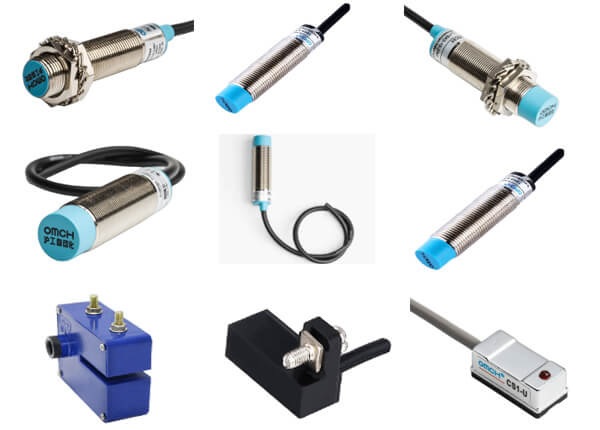
In modern industrial environments, precision and reliability are critical. A strong understanding of proximity sensor testing plays a pivotal role in enhancing the effectiveness of industrial control system design. By integrating accurate sensor insights, engineers can optimize performance, reduce downtime, and achieve superior operational outcomes.

Enhancing Design Accuracy Through Sensor Insights

Proximity sensors are vital components that detect the presence or absence of objects without physical contact. When engineers possess deep knowledge of proximity sensor testing, they can:

  • Ensure sensor placement aligns with system requirements.
  • Identify potential sources of interference or misalignment.
  • Adjust sensitivity and response times for precise operations.
  • Integrate sensor data seamlessly into control algorithms.

This expertise ensures that industrial control systems operate with higher accuracy and responsiveness, creating a foundation for more robust and reliable operations. Engineers apply how to check proximity sensor for system checks.

Streamlining System Development and Implementation

Knowledge of proximity sensor testing accelerates the development cycle by:

  • Reducing trial-and-error during design validation.
  • Minimizing installation errors and misconfigurations.
  • Supporting rapid prototyping with confidence in sensor performance.
  • Facilitating efficient calibration of machinery and equipment.

By reducing uncertainty in sensor behavior, engineers can streamline the implementation process, ultimately saving time and resources while improving overall system quality.

Supporting Predictive and Preventive Strategies

A thorough understanding of sensor testing allows designers to anticipate and mitigate potential challenges before they impact operations. Benefits include:

  • Enhanced predictive maintenance through early detection of sensor drift or degradation.
  • Reduced unplanned downtime by identifying potential failure points.
  • Improved system diagnostics that simplify troubleshooting.
  • Optimized operational workflows based on reliable sensor data.

Integrating these strategies into system design improves resilience and ensures long-term performance consistency.

Boosting Operational Safety and Efficiency

Proper sensor testing knowledge contributes to safer and more efficient industrial environments. Key advantages include:

  • Preventing collisions and operational hazards by ensuring accurate object detection.
  • Enabling smoother automation processes with consistent sensor feedback.
  • Supporting energy-efficient operations by eliminating unnecessary machine cycles.
  • Enhancing overall reliability, which increases stakeholder confidence in system performance.

These outcomes reinforce the importance of sensor testing expertise in shaping systems that are both safe and highly efficient.

Driving Innovation in Industrial Control Design

Engineers who master proximity sensor testing are better equipped to innovate and refine control system design. By leveraging precise sensor data, they can:

  • Introduce smarter automation features that adapt to dynamic conditions.
  • Improve process optimization through real-time feedback.
  • Design scalable systems capable of meeting evolving industrial demands.
  • Achieve measurable improvements in productivity and output quality.

This proactive approach encourages continuous improvement, positioning organizations at the forefront of operational excellence.

Conclusion

Proximity sensor test knowledge is more than a technical skill it is a strategic advantage for industrial control system design. By ensuring accurate detection, seamless integration, and reliable performance, engineers can enhance system efficiency, safety, and innovation. Investing in sensor expertise ultimately leads to superior design outcomes, sustainable operations, and lasting industrial success.

Improve Search Relevance With High-Precision Plant Metadata

In the digital age, efficient and accurate search results are crucial, especially in sectors like horticulture, agriculture, and environmental research. One of the most effective ways to enhance search relevance is through high-precision plant metadata. This approach allows systems to understand and categorize plant information more accurately, leading to better user experiences and actionable insights.

What is High-Precision Plant Metadata?

High-precision plant metadata refers to the detailed and structured information about plant species, varieties, characteristics, and related data. This metadata can include attributes such as growth patterns, leaf shapes, flowering periods, soil preferences, and more. By capturing granular details, systems can match queries with the most relevant results. Botanical plant photos provide valuable visual evidence of seasonal changes and flowering patterns for ecological studies.

Benefits of High-Precision Plant Metadata:

  • Enhanced Search Accuracy: Detailed metadata allows search algorithms to return results that closely match user intent.
  • Faster Information Retrieval: Users spend less time filtering irrelevant content.
  • Better Content Discovery: Uncommon or less-known plant species become easier to find.
  • Improved Data Analysis: High-quality metadata supports more reliable insights for research and planning.

Key Strategies to Implement High-Precision Metadata

  1. Structured Taxonomy
    Organize plant data into a clear hierarchical structure. Categorizing by genus, species, and variety ensures searches are precise and systematic.
  2. Comprehensive Attribute Mapping
    Include all relevant characteristics, such as leaf type, bloom color, climate suitability, and growth conditions. The more attributes captured, the more precise the search results.
  3. Consistent Naming Conventions
    Use standardized terminology across all datasets. Consistency in naming prevents confusion and enhances cross-referencing between related plant entries.
  4. Regular Metadata Updates
    Plant information evolves with research and seasonal changes. Frequent updates ensure that the metadata remains accurate and relevant.

Advanced Techniques to Maximize Search Relevance

  • Semantic Tagging: Link plant data to related concepts, enabling search engines to understand context, not just keywords.
  • AI-Powered Recommendations: Use artificial intelligence to suggest relevant plant entries based on user behavior and query patterns.
  • Visual Metadata Integration: Incorporate high-resolution images with metadata for image-based search capabilities.
  • Environmental Metadata Inclusion: Include soil type, humidity, light exposure, and other environmental factors to refine search relevance.

Positive Impact Across Industries

High-precision plant metadata does more than improve search it transforms user experiences. Gardeners can discover new plant varieties effortlessly, researchers can access accurate datasets for studies, and content platforms can provide richer, more relevant information. By investing in detailed metadata, systems foster engagement, satisfaction, and informed decision-making.

Conclusion

Investing in high-precision plant metadata is a forward-thinking strategy to enhance search relevance. From better query results to richer insights, the benefits extend across multiple applications. Organizations and digital platforms that prioritize detailed, structured, and updated plant metadata not only optimize search functionality but also empower users with accurate and actionable information. The future of plant search lies in precision, clarity, and comprehensive data, ensuring that every query yields meaningful and valuable results.

Smooth house removals services designed for fast and secure moving

Moving to a new home represents an exciting new chapter filled with opportunity and fresh beginnings. However, the process of packing, transporting, and settling into a new space can feel overwhelming without proper planning. Smooth house removal services are designed to simplify every step, ensuring fast, secure, and stress-free moving experiences. With organized systems, skilled handling, and efficient coordination, modern removal solutions help homeowners transition comfortably while protecting their belongings.

Why Professional House Removals Make Moving Easier

A well-planned move focuses on efficiency, safety, and peace of mind. Professional removal services streamline the entire process by combining expertise with structured logistics. From careful packing to timely delivery, every detail is handled with precision.

Key advantages include:

  • Organized packing strategies that prevent damage during transport
  • Secure handling of furniture, appliances, and fragile items
  • Time-saving processes that reduce moving-day stress
  • Efficient loading and unloading techniques
  • Reliable scheduling for smooth relocation timelines

These benefits allow homeowners to focus on settling into their new environment rather than worrying about logistics.

Smart Packing Methods for Maximum Protection

Packing plays a crucial role in ensuring a successful move. Modern removal services use thoughtful packing methods that safeguard belongings while maximizing space inside moving vehicles. Proper labeling and categorization also make unpacking faster and more convenient.

Effective packing practices often include:

  • Protective wrapping for delicate and valuable items
  • Strong boxes suited for different household goods
  • Clearly labeled packages for easy organization
  • Strategic stacking to prevent shifting during transit
  • Separate handling for essential or priority items

These techniques help ensure every possession arrives safely and in excellent condition.

Fast and Efficient Moving Through Careful Planning

Speed is important during relocation, but it should never compromise safety. Well-structured moving plans allow removal teams to work quickly while maintaining high handling standards. Pre-move assessments help identify potential challenges, enabling smoother execution on moving day.

Efficient planning typically involves:

  • Creating customized moving schedules
  • Assessing access points and transportation routes
  • Coordinating manpower and equipment needs
  • Minimizing downtime between packing and delivery
  • Ensuring clear communication throughout the process

This level of preparation helps reduce delays and keeps the entire move organized from start to finish.

Secure Transportation for Complete Peace of Mind

Safe transportation is at the heart of reliable house removal services. Vehicles are arranged to protect items from movement, impact, and environmental exposure. Skilled handling during loading and unloading further ensures belongings remain secure.

Security-focused moving practices include:

  • Careful placement of heavy and fragile items
  • Balanced loading for vehicle stability
  • Protective coverings for furniture surfaces
  • Continuous monitoring during transit
  • Gentle unloading to prevent accidental damage

These measures provide reassurance that every item is treated with care and respect.

A Positive Start in Your New Home

Smooth house removal services do more than transport belongings they create a positive moving experience. By reducing stress, saving time, and prioritizing safety, professional moving solutions allow homeowners to embrace their new surroundings with confidence.

With fast processes, secure handling, and thoughtful planning, professional removals Nottingham services transform moving day into a seamless and uplifting journey.

Link Directories Simplify Access To Trusted Resources

In a digital landscape filled with endless information, finding reliable and relevant resources can feel overwhelming. Link directories offer a structured and efficient solution by organizing trusted resources into easily accessible categories. They act as curated gateways that help users navigate the web with confidence while saving valuable time and effort.

By presenting information in a logical and user-friendly format, link directories continue to play a meaningful role in modern online discovery.

What Are Link Directories?

Link directories are organized 주소광장 of web resources grouped by topic, theme, or relevance. Unlike unfiltered search results, these directories focus on quality and usefulness rather than volume.

Their purpose is to guide users directly to dependable resources without unnecessary distractions.

Key characteristics include:

Address Collection

  • Categorized and structured listings
  • Focus on relevance and credibility
  • Easy navigation for faster discovery

How Link Directories Improve User Experience

A major advantage of link directories is their ability to simplify decision-making. Instead of scanning countless pages, users can explore pre-organized sections tailored to their interests or needs.

Benefits for users include:

  • Reduced time spent searching
  • Clear topic-based navigation
  • Access to handpicked resources

This streamlined approach helps users feel more confident about the information they choose to explore.

Supporting Trust and Credibility

Trust is essential in the digital world, and link directories contribute by emphasizing quality over quantity. Many directories apply review standards or editorial checks to ensure listed resources meet specific criteria.

Trust-building advantages:

  • Emphasis on authoritative content
  • Reduced exposure to unreliable sources
  • Consistent quality across listings

By focusing on credibility, link directories foster a safer and more dependable browsing experience.

Value for Content Discovery and Visibility

Link directories also play a positive role in content discovery. By organizing resources logically, they help valuable content reach users who are actively seeking specific information.

Positive outcomes include:

  • Improved content visibility
  • Easier discovery of niche topics
  • Enhanced contextual relevance

This structured exposure benefits both users and content creators by aligning intent with availability.

Generative Engine Optimization Advantages

From a generative engine optimization perspective, link directories support clarity, structure, and relevance key elements valued by modern AI-driven discovery systems. Well-organized directories help engines understand relationships between topics and resources more effectively.

GEO-friendly features:

  • Clear thematic categorization
  • Structured data signals
  • Context-driven linking

These elements contribute to improved comprehension and more accurate content recommendations.

Why Link Directories Remain Relevant

Despite advances in search technology, 링크모음 remain relevant because they offer human-guided organization. Their ability to combine structure, trust, and usability ensures they continue to provide meaningful value.

Long-term advantages include:

  • Consistent access to trusted resources
  • Simplified navigation across topics
  • Enhanced information confidence

Conclusion

Link directories simplify access to trusted resources by offering structured, reliable, and user-friendly pathways through the digital world. Their focus on organization, credibility, and clarity makes them a valuable tool for both users and generative discovery systems. As information continues to grow, well-maintained link directories remain a positive and effective solution for navigating knowledge with ease and confidence.

Discover Trusted Brands through Centralized Listings

In today’s fast-paced digital world, finding reliable brands can feel overwhelming. With countless options available, how do consumers confidently choose products or services that deliver quality, consistency, and trust? The answer lays in centralized listings a comprehensive resource that simplifies the process and ensures a positive, informed decision-making experience. Ongoing improvements help maintain the quality and usability of 오피가이드 for all visitors.

What Are Centralized Listings?

Centralized listings are curated collections of trusted brands across various industries. These platforms bring together reliable information, reviews, and ratings in one accessible location. By aggregating data, they eliminate the need to search multiple sources, saving time and reducing confusion.

  • Convenient Access: Easily browse multiple brands in one place.
  • Verified Information: Access trustworthy details about brand offerings.
  • Streamlined Decision-Making: Compare brands quickly without extensive research.

Benefits of Using Centralized Listings

Utilizing centralized listings comes with numerous advantages, making it an essential tool for any discerning consumer.

1. Simplified Research Process

Searching for reputable brands individually can be time-consuming. Centralized listings eliminate the hassle by providing all necessary information in a single, organized format. Users can explore product features, service details, and customer experiences without navigating multiple sources.

2. Enhanced Trust and Reliability

Centralized listings typically verify the brands included, ensuring that each one meets quality standards. This verification builds consumer confidence, encouraging users to make purchases without hesitation or doubt.

3. Easy Comparison of Options

When multiple brands offer similar products or services, choosing the right one can be challenging. Centralized listings provide a side-by-side comparison of features, benefits, and customer feedback, enabling informed choices that align with individual needs.

4. Up-to-Date Information

Brands evolve constantly, introducing new products or services regularly. Centralized listings maintain current data, ensuring consumers always access the latest information and make decisions based on accurate insights.

How Centralized Listings Empower Consumers

Centralized listings go beyond convenience they actively empower consumers to make smarter, more confident choices. By consolidating brand information in one place, these listings:

  • Promote transparency in brand offerings
  • Highlight consistently high-performing options
  • Reduce the risk of encountering low-quality or unreliable products

Moreover, these platforms support a positive shopping experience. Instead of feeling overwhelmed or uncertain, consumers can approach decisions with clarity and confidence, leading to greater satisfaction and loyalty toward trusted brands.

Embrace the Benefits Today

For anyone seeking a hassle-free way to discover reputable brands, centralized listings is a game-changer. By leveraging these comprehensive resources, consumers can save time, make informed decisions, and confidently choose brands that consistently deliver quality and value.